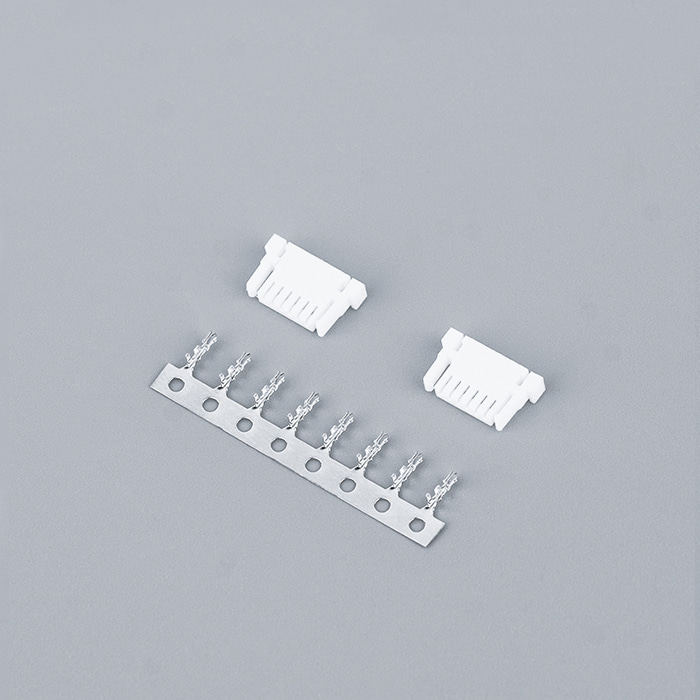
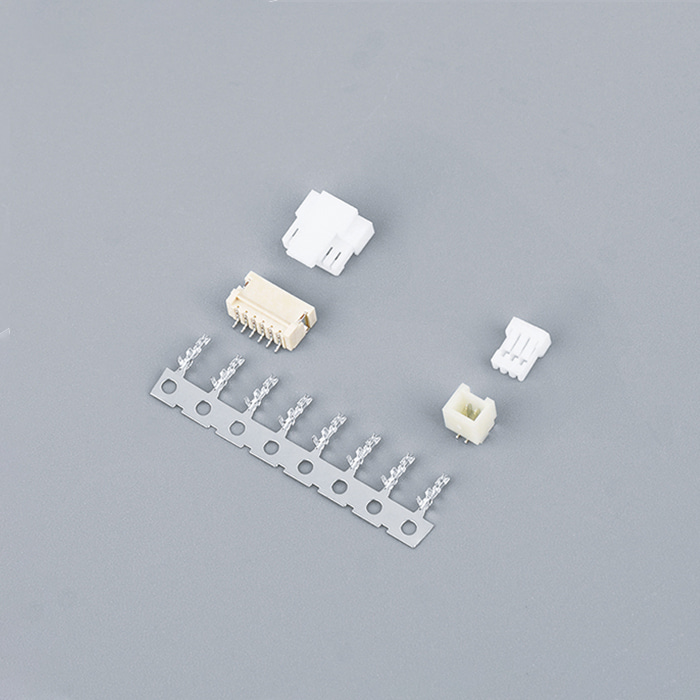
If you’re working with Wire To Wire Connectors, particularly when considering swapping Connector XT60 XT90 types, it’s common to wonder: Can I replace XT90 with XT60 safely? At Kuaili, we frequently receive such questions from users looking to streamline their setup or adapt existing hardware.
User Concerns: Real-world Insights
A user on Reddit shared a relatable scenario when discussing Connector XT60 XT90 swaps:
“XT60 is good for 30A continuous, and XT90 is good for 45A continuous… If your motors are going to draw less than 30A, an XT60 is fine, but there’s probably a reason it has an XT90 in the initial place.”
This brings up two key questions:
Current capability – Will the XT60 match the system's demands?
Reason for original choice – Was the XT90 used for safety margins or actual load requirements?
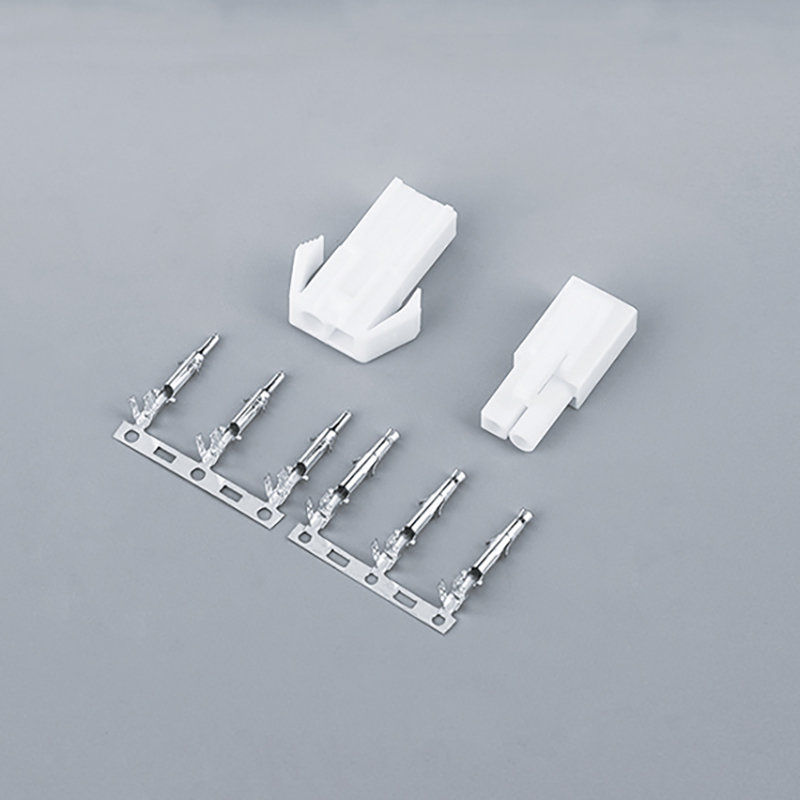
Understanding the Differences
Current Ratings and Safety Margins
Though specs vary, XT60 is commonly rated for around 60 A continuous and XT90 for 90 A. In reality, many rely on “burst” capacity that far exceeds these ratings. As one user notes:
“XT60 is good for 30 A continuous... If your motors are going to draw less than 30 A, an XT60 is fine...”
But just because the average load is within limits doesn’t mean it’s safe:
Peak currents during startup or acceleration might spike beyond average ratings.
Component heat buildup over time could cause to failure.
At Kuaili, we recommend anticipating peaks and sizing connectors accordingly—with at least a 20% margin above expected large current.
Physical Incompatibility & Adaptation Risks
Another concern is physical fit. One user asked about plugging XT90 into an XT60 socket and got a clear answer:
“No you can't, they look similar but are physically different sizes. You could either make an adapter plug... or cut off the XT90 and solder on an XT60.”
While creating a custom adapter is possible, every additional connection introduces another failure point—a risk we aim to minimize.
Is It Safe? Key Considerations
1. Analyze Load Profiles
Measure continuous and peak current draws.
If your motors or ESCs rarely exceed 30 A, an XT60 may suffice—but always validate with real-world testing.
2. Avoid Mixing Gauges and Types Arbitrarily
A thread on RC-Help highlights confusion when swapping connectors paired with different wire gauges:
“The battery with the XT90 has 10 AWG wires and my other batteries with the XT60 connector has 12 AWG wires. I’m not sure if having 2 different wire gauge will make a difference...”
At Kuaili, we urge consistency: match wire gauge to connector rating—e.g., use thicker wires like 10 AWG for high-current setups.
3. Reliability vs Convenience
Adapters may provide a quick solution, but each mating interface brings:
Potential for poor connection or contact resistance.
Mechanical failure or intermittent issues.
Standardizing on a connector type throughout your system remains the more robust strategy.
So, can you replace XT90 with XT60 safely? It depends—but generally, only if your continuous and peak loads are well within the XT60 rating, and your wiring matches appropriately. Don’t forget to consider mechanical aspects, wire gauge consistency, and system-wide reliability. At Kuaili, we advocate for informed decisions based on testing and simplicity—standardization over workaround. To learn more about safe connector selection or wiring design tailored to your needs, we're here to help!



 English
 Español
 Türk
 فارسی