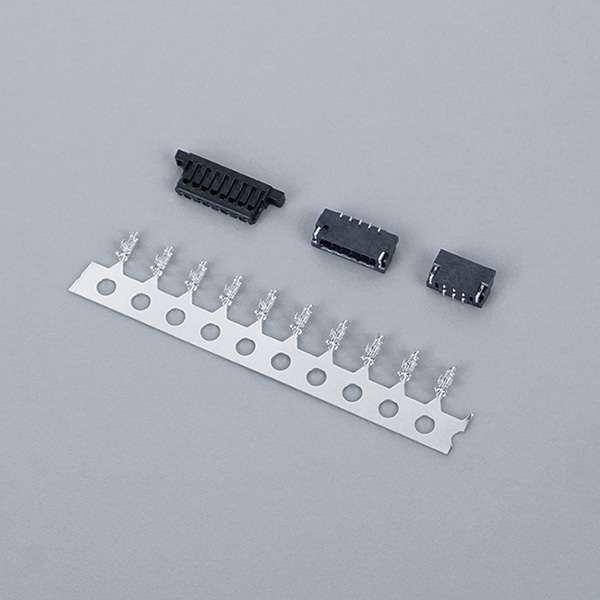
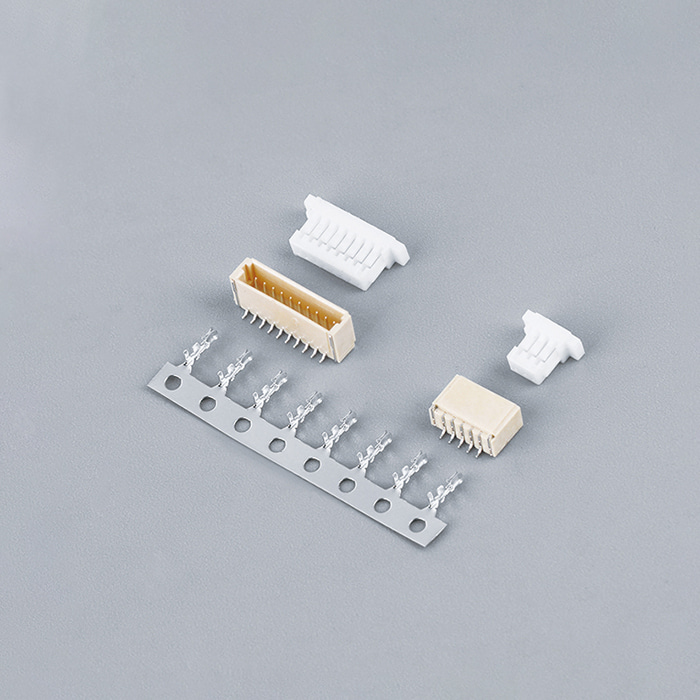
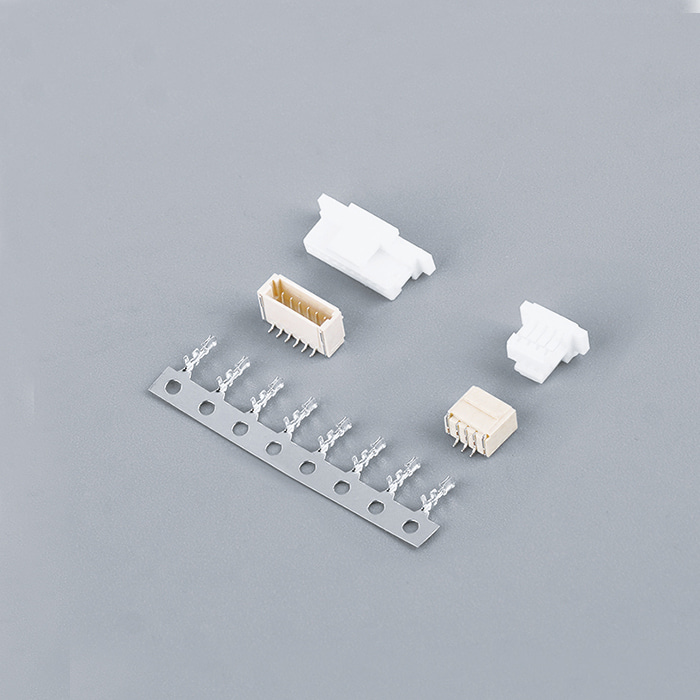
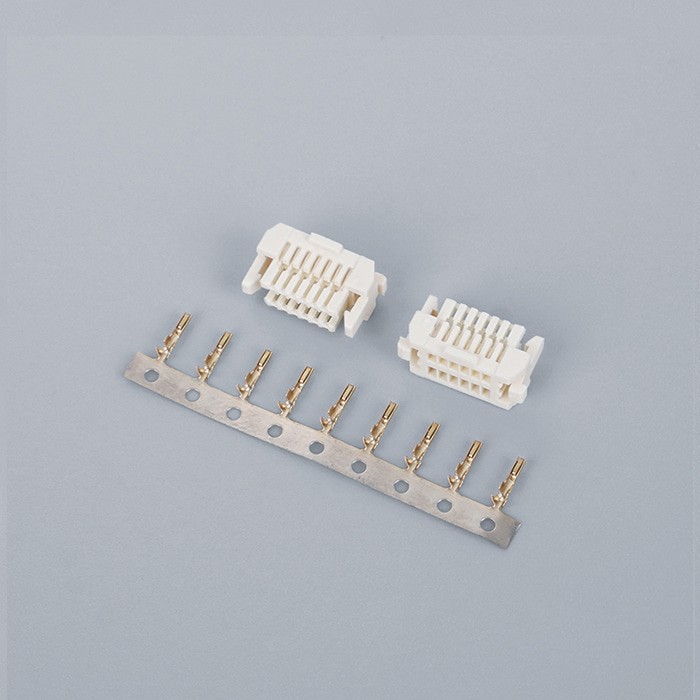
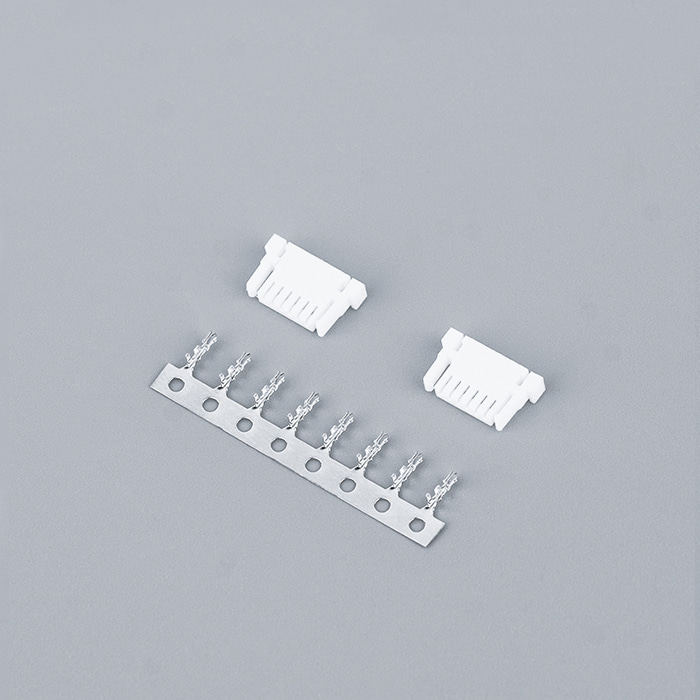
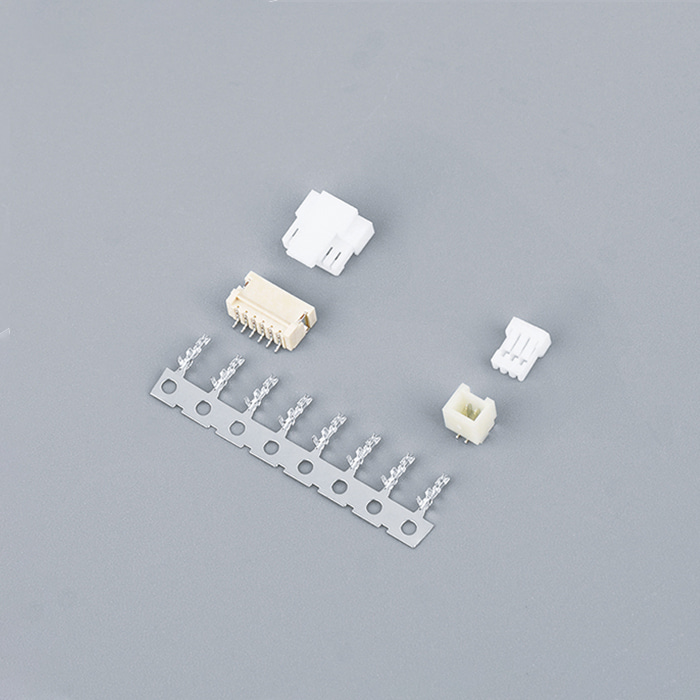
Many professionals and hobbyists alike express confusion when it comes to selecting wire to wire connectors, particularly when comparing Connector XT60 XT90 options or making sure that the equipment is compatible. At Kuaili, we often hear questions about installation errors, overheating risks, or mismatched current ratings. To learn more about these issues, here we are going to discuss the many frequent mistakes users make and how to avoid them.
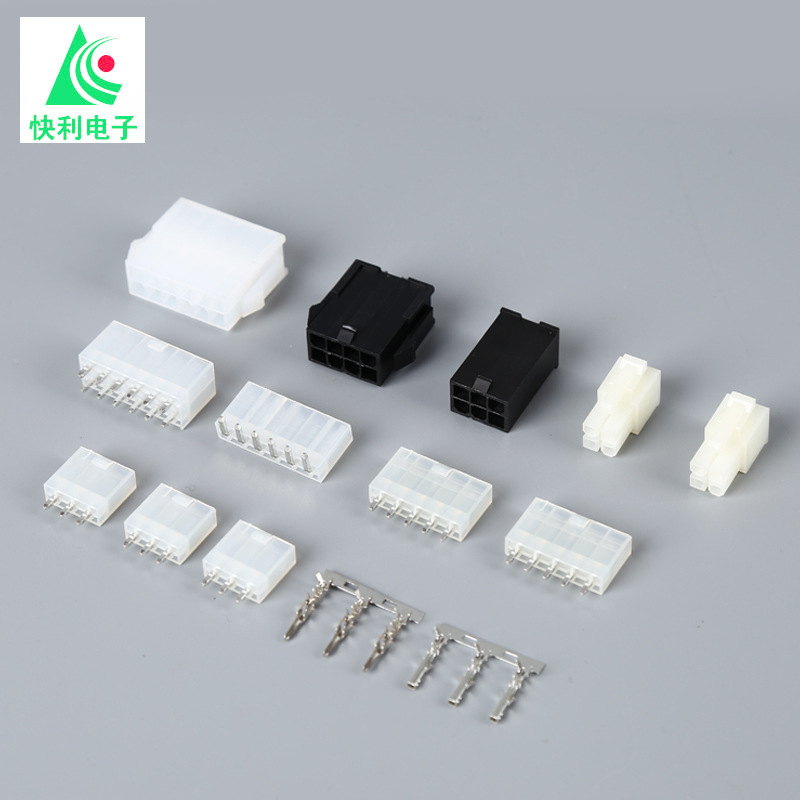
1. Misjudging Current Needs for Connector XT60 XT90
One common mistake is underestimating how much current the Connector XT60 XT90 will actually carry. For example, a user on RC Talk asked whether XT60 rated for 60 A is enough, and pointed out:
“I know that, according to what I read, the XT60 is for 60A, and the XT90 is for 90A… how much amperage does the ESC actually use when running is where I sometimes get lost” .
To help clarify:
XT60: generally rated for around 60 A continuous.
XT90: rated for higher current, up to about 90 A or more.
The actual load depends on ESC and motor setup. At Kuaili, we recommend adding a safety margin—choose connectors rated 20–30% above your expected peak current.
2. Forcing Incompatible Connector Sizes
Another issue is trying to make different connector types fit without realizing the physical differences. One user on Model Flying Forums asked:
“Can you plug an XT 90s plug into an XT60 socket?” The answer is plain: “No. They look similar but are physically different sizes” .
Mixing and matching without custom adapters can result in poor contact or even damage. At Kuaili, we advise using proper adapters if needed, or better yet, standardizing on one connector type throughout your system.
3. Swapping Connector Types Without Considering Wire Gauge
A common DIY move is cutting off an XT90 and soldering on an XT60—or vice versa—without considering the wire gauge. As seen on RC-Help:
A user wondered if 10 AWG wires from an XT90 battery would still be safe when cutting and replacing with an XT60 connector. Responses highlighted that mismatched gauge and connector may result in overheating or structural issues.
Kuaili recommends ensuring wire gauge matches connector spec; for high current, using thick enough wires (like 10 AWG for XT90) and ensuring they fit properly without stress is essential.
ideal Practices to Avoid Connector Mistakes
Here are some practical tips to help your readers—or your team—avoid common issues:
Assess Your Continuous and Peak Load
Understand your ESC and motor demands. If your system draws near or above 60 A intermittently, consider XT90 even if average load is lower.
Standardize Connector Types
Wherever possible, use the same connector type—be it XT60 or XT90—from battery through ESC and wiring harness. This reduces mismatch risk.
Solder Carefully, One Wire at a Time
When swapping connectors, do it methodically: solder one wire, insulate it, then solder the other. This minimizes short risks.
Test for Heat and Fit After Installation
After assembly, run the system under load and touch-test connectors. If it gets warm quickly, reassess wire gauge or connector type.
Now that you’re more aware of the frequent mistakes—misjudging current, forcing incompatible connectors, and mismatched solder work—you’re better equipped to choose and handle Wire To Wire Connectors like Connector XT60 XT90 correctly. At Kuaili, we emphasize proper selection, safe soldering practices, and avoiding needless complexity. To learn more about how to design your wiring system seamlessly, feel free to reach out—we’re happy to support your project.



 English
 Español
 Türk
 فارسی