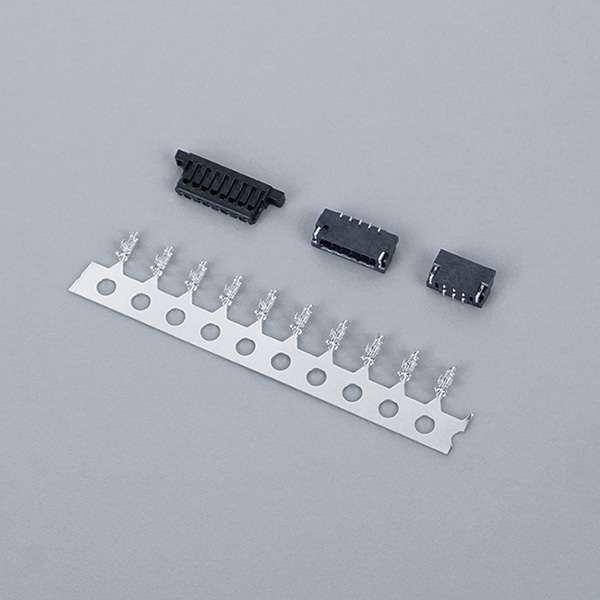
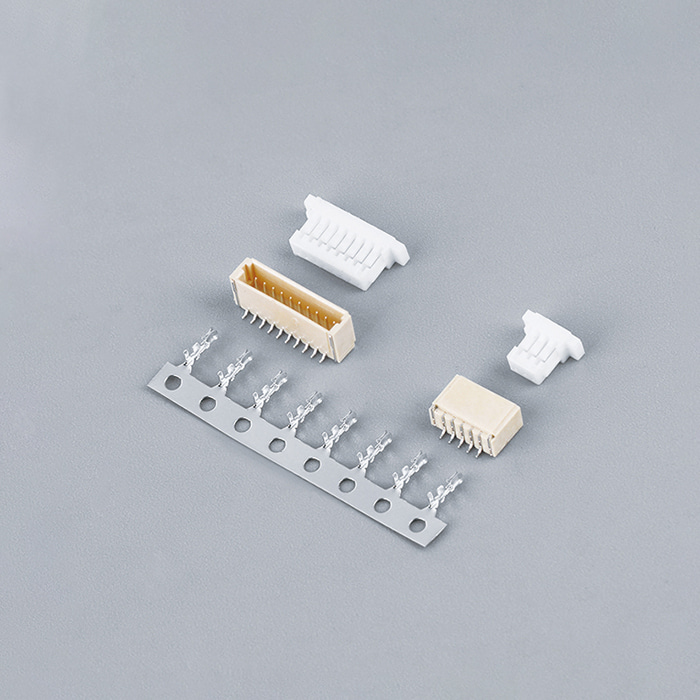
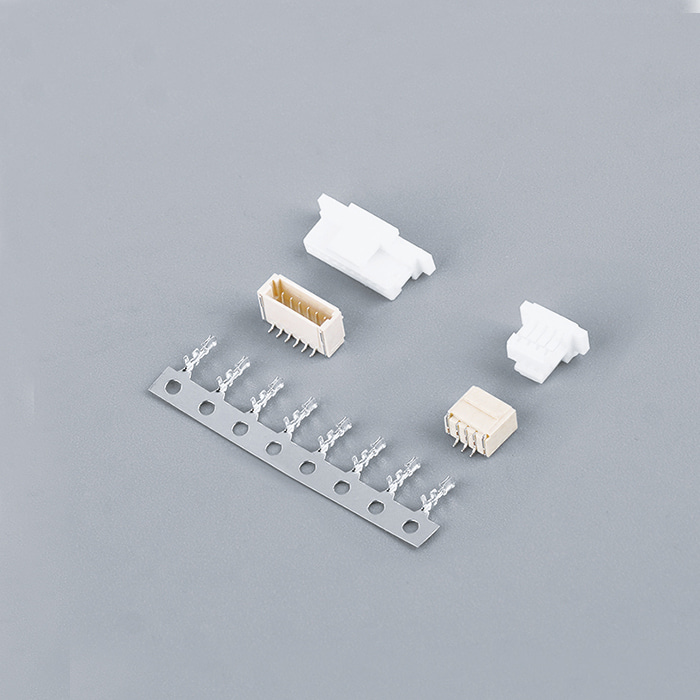
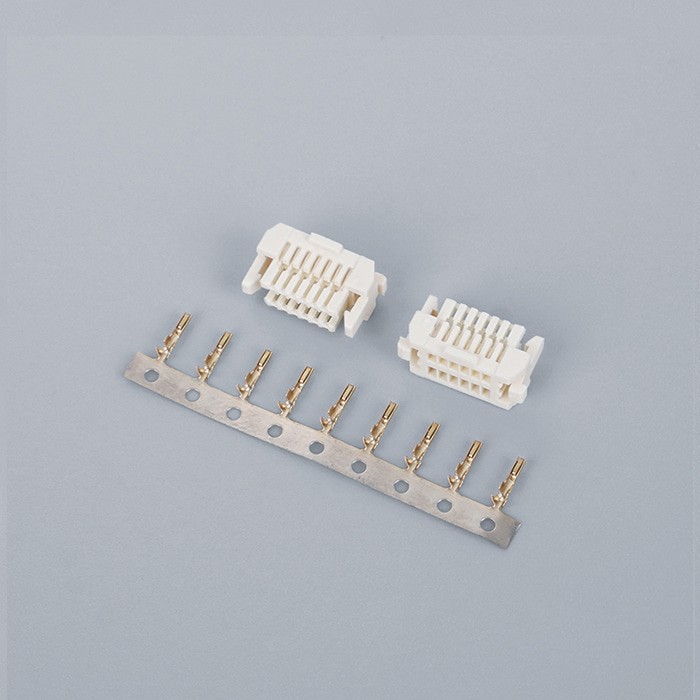
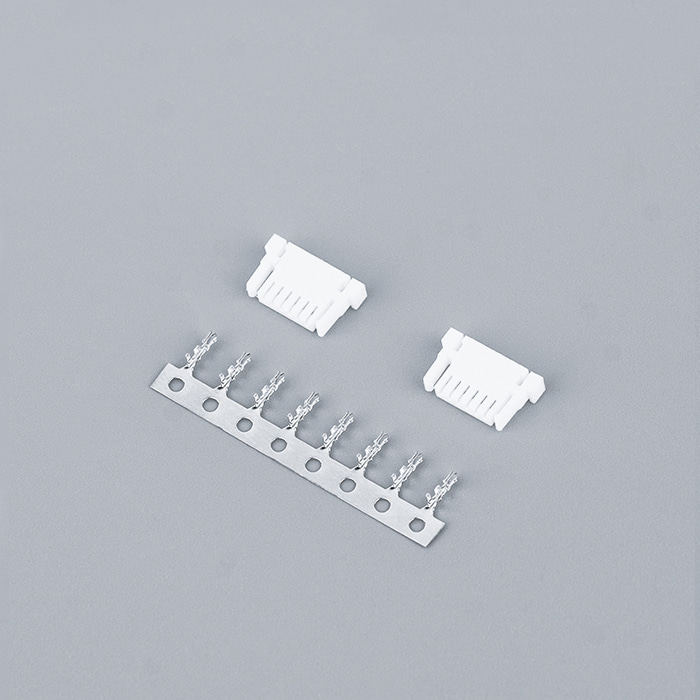
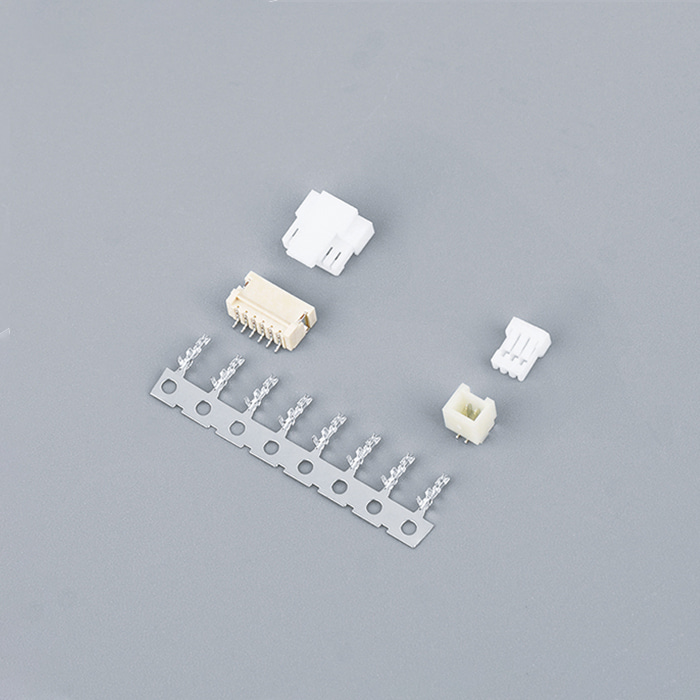
Loose electrical connections remain one of the common concerns raised by engineers, technicians, and electronics hobbyists working with PCB assemblies. Questions frequently appear in technical forums and wiring discussions about connectors that appear properly installed but later become unstable during operation. Situations like this often involve Wire To Board Connectors, especially in devices that experience vibration, temperature change, or frequent maintenance.
Another related topic discussed by technicians involves Wire To Board Crimp Style Connectors, where the quality of the crimped terminal determines the long-term reliability of the entire connection system. Poorly executed crimps or incorrect connector selection may cause loose contacts, intermittent signals, or increased electrical resistance. Studies of cable assembly issues show that weak crimping and incorrect installation are major contributors to connector failures in electronic equipment.

1. Improper Crimping Pressure
A common reason connectors become loose lies in insufficient crimping force during terminal installation.
Technical references note that an under-compressed crimp may dramatically increase electrical resistance and weaken the mechanical bond of the connection.
Practical tips for preventing this issue include:
These steps help ensure that the wire strands and the connector barrel are firmly compressed together.
2. Mismatched Wire Gauge and Terminal Size
Connector compatibility is another critical factor. A terminal designed for a specific wire gauge may fail to hold the conductor securely if the wire size does not match.
Typical problems include:
Industry documentation highlights that selecting a connector that is too large or too small can create unstable electrical connections and eventual failure.
Correct selection involves checking:
Careful matching ensures both mechanical stability and electrical conductivity.
3. Incorrect Wire Stripping Length
Wire preparation also influences the final connection quality.
Common mistakes include:
Improper stripping may prevent the terminal from gripping the wire core properly. Documentation on connector assembly shows that incorrect insulation removal can result in poor crimping and unreliable connections.
Technicians usually follow these steps:
These small adjustments significantly improve the reliability of the final assembly.
4. Connector Wear or Environmental Stress
Mechanical stress can gradually loosen connectors after installation. Equipment operating in industrial or mobile environments often experiences:
Over time, these conditions may weaken contact pressure and reduce connector performance. Connector guides emphasize that frequent mating cycles and environmental exposure can gradually affect durability and electrical stability.
Design engineers often address these risks by selecting connectors with:
5. Assembly Process Quality
Production consistency also influences connector reliability. Even small variations in assembly procedures can cause inconsistent crimp results.
Manufacturers generally recommend:
Companies such as Zhejiang Kuaili Electronics Co., Ltd. emphasize stable manufacturing processes and controlled quality inspection when producing connector components used in electronic devices and cable assemblies.



 English
 Español
 Türk
 فارسی