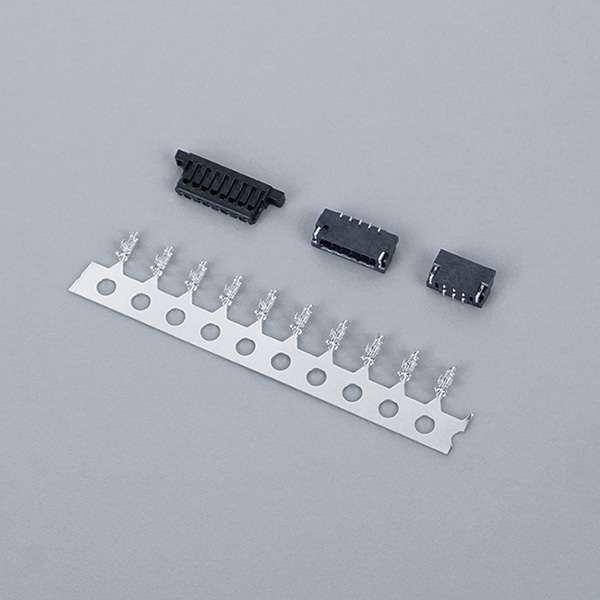
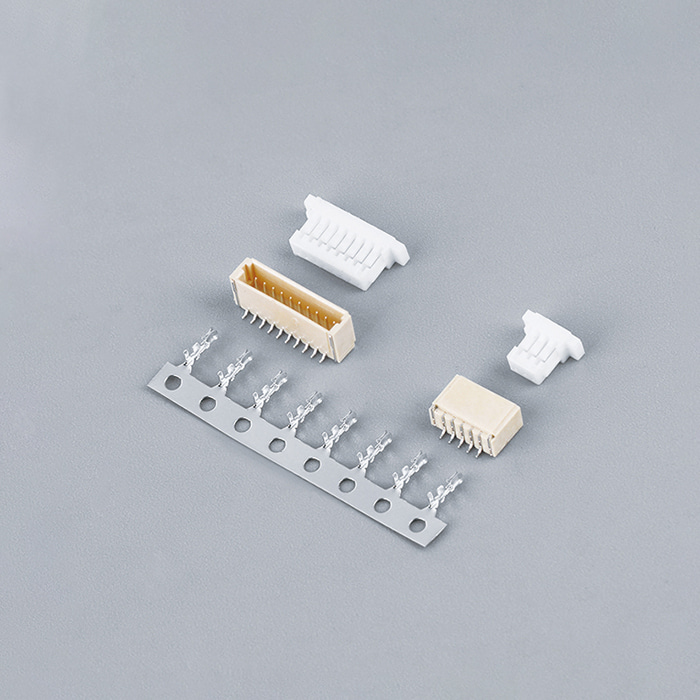
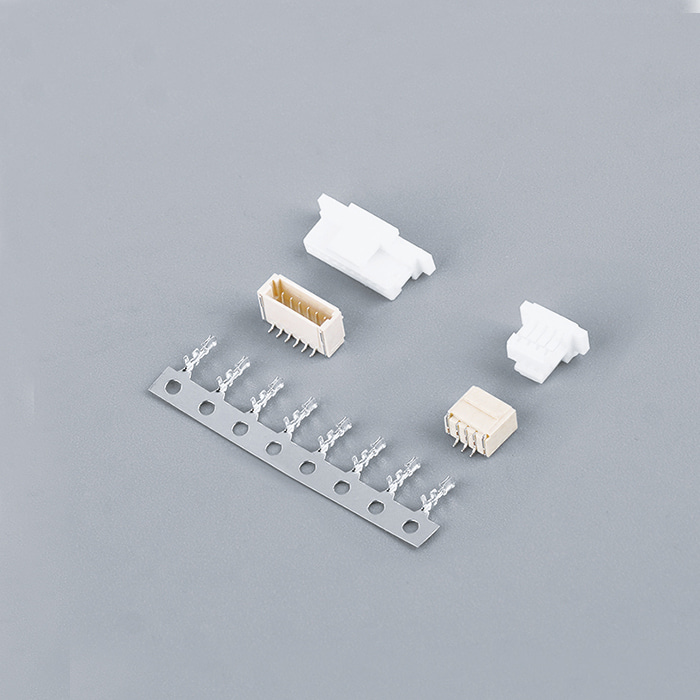
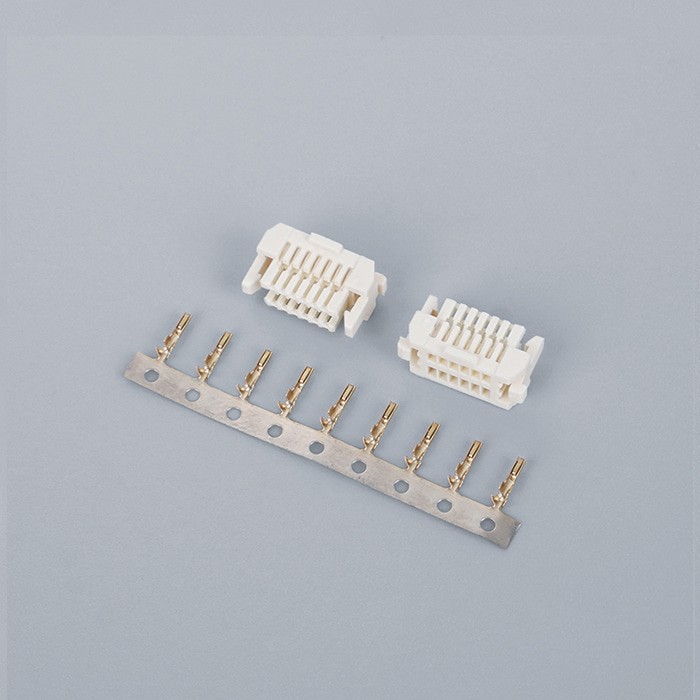
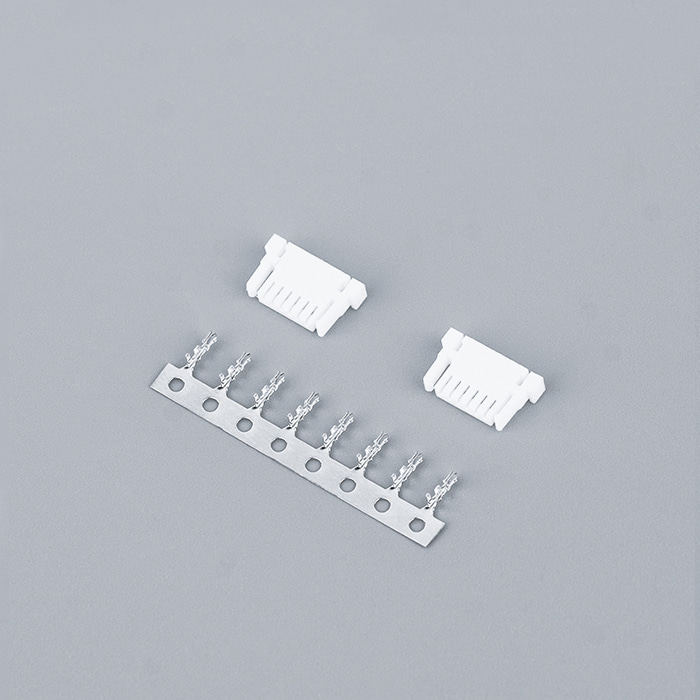
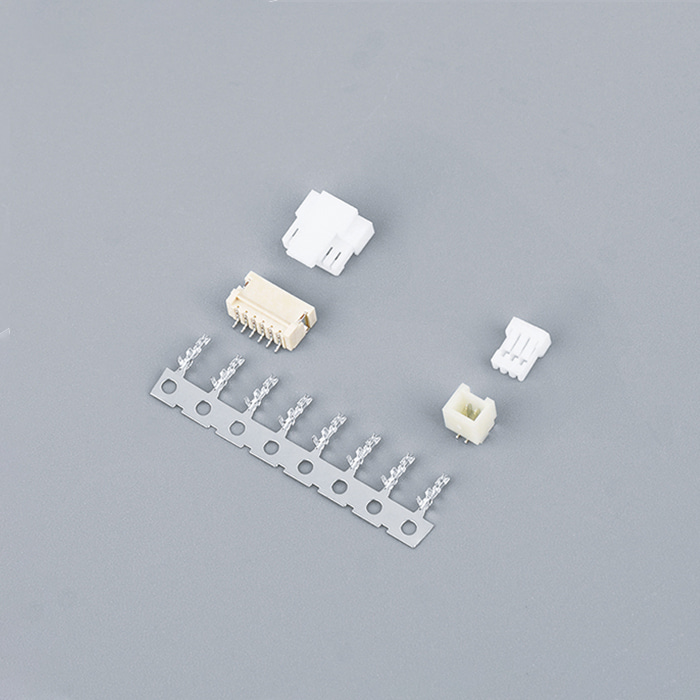
Modern vehicle platforms generate far more vibration than older engine systems. Turbocharged engines, electric cooling modules, hybrid drive systems, and compact engine bays all place enormous stress on electrical connections. A weak connector may survive laboratory testing yet fail after thousands of miles of thermal cycling and continuous shaking. Reliable Wire To Wire Terminal Connectors have therefore become a critical component in automotive harness design, especially around ignition systems, fuel injection modules, cooling fans, and battery management units.
Automotive engineers also pay close attention to Wire To Wire Cable Connectors because unstable contact pressure can create intermittent signals, voltage drops, or overheating inside the harness. Our company has worked with customers requiring connectors capable of maintaining stable conductivity under high-frequency engine vibration, elevated temperature exposure, and long-term mechanical stress.
Connector damage rarely appears immediately. Many failures begin as microscopic movement between terminals. Over time, vibration gradually wears the contact surface and increases electrical resistance.
Common failure symptoms include:
Industry discussions and engineering reports frequently mention “fretting corrosion” as one of the largest causes of vibration-related connector failure in vehicles.
High-vibration environments near engines may expose connectors to:
Automotive-grade connectors designed for engine compartments must therefore combine both electrical stability and strong mechanical retention.
Connectors using precision crimp terminals generally survive vibration better than basic push-in or loose spring-contact systems.
Reasons include:
High-quality crimp terminals compress conductor strands tightly and reduce wire movement inside the terminal barrel.
A stable crimp minimizes micro-arcing caused by vibration-induced movement.
Engine compartments often exceed 120°C. Crimped terminals maintain structural integrity more effectively under thermal expansion.
Many automotive connector systems use secondary locking structures that prevent terminal back-out during vibration cycles.
Several automotive connector systems now integrate:
These designs significantly improve connector reliability under continuous engine movement.
Terminal performance alone does not determine vibration resistance. Housing materials also play a major role.
Our company has seen many low-cost connectors fail because the plastic housing softens under heat exposure and gradually loses retention force.
Reliable automotive housings often use:
Typical technical targets include:
| Parameter | Recommended Value |
| Operating Temperature | -40°C to +125°C |
| Vibration Resistance | 50G–80G |
| Protection Rating | IP67 / IP68 / IPX9K |
| Contact Resistance | ≤5mΩ |
| Insulation Resistance | ≥100MΩ |
Advanced automotive connectors may also include silicone wire seals to block moisture and oil intrusion.
Contact plating directly affects long-term durability.
Tin-plated terminals are economical and widely used, but gold-plated contacts often perform better under continuous vibration because they reduce oxidation and fretting wear.
Advantages of gold plating include:
Many engine control systems, ADAS modules, and sensor circuits therefore use gold-plated terminals for critical signals.
Nickel underplating is also commonly added to improve corrosion resistance in harsh automotive environments.
Connectors without secondary locking frequently loosen after prolonged vibration exposure.
Modern automotive connector systems increasingly use:
Several recently released automotive connectors are specifically engineered to pass severe vibration standards such as USCAR-2 and LV214 testing.
Some tested connector systems demonstrate:
These features greatly reduce accidental disconnection in high-motion applications.
Even strong connectors fail prematurely without proper harness support.
Engine vibration transfers directly into the wire harness. Unsupported cables create leverage stress at the connector entry point.
Our company recommends:
Professional automotive harness systems usually secure wiring every 150–200mm to minimize vibration transfer.
Some manufacturers additionally apply adhesive reinforcement or potting compounds around connectors exposed to severe motion environments. Engineering discussions online frequently confirm that added mechanical stabilization can improve reliability under vibration conditions.
Open connectors struggle in engine compartments because vibration often combines with moisture, oil vapor, and dust contamination.
Sealed connectors typically survive longer due to:
IP67 and IP68 rated connectors are commonly used around:
Certain heavy-duty automotive connectors now reach IPX9K protection levels for high-pressure wash environments.
Connectors with the higher vibration survival rates usually combine several key technologies:
Engine applications rarely tolerate generic consumer-grade connectors. Automotive-grade connector systems designed according to USCAR or LV214 standards consistently deliver better long-term reliability in harsh vibration environments.



 English
 Español
 Türk
 فارسی