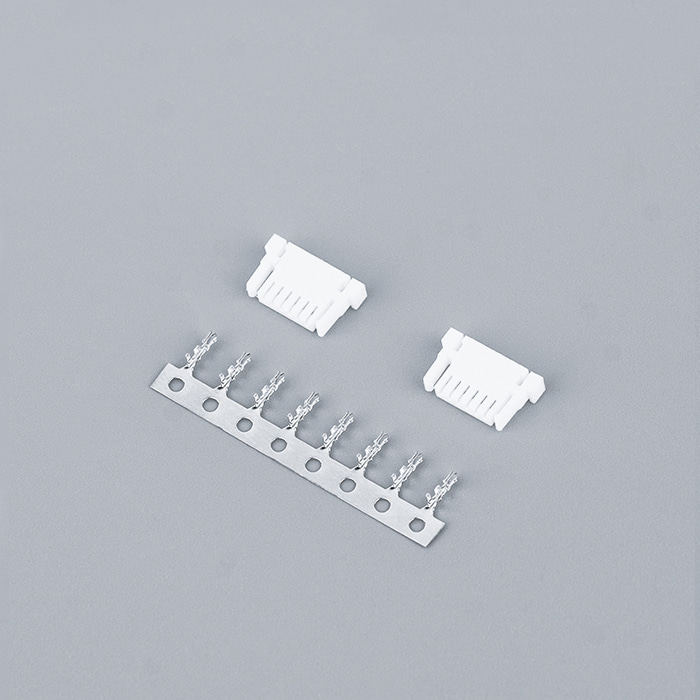
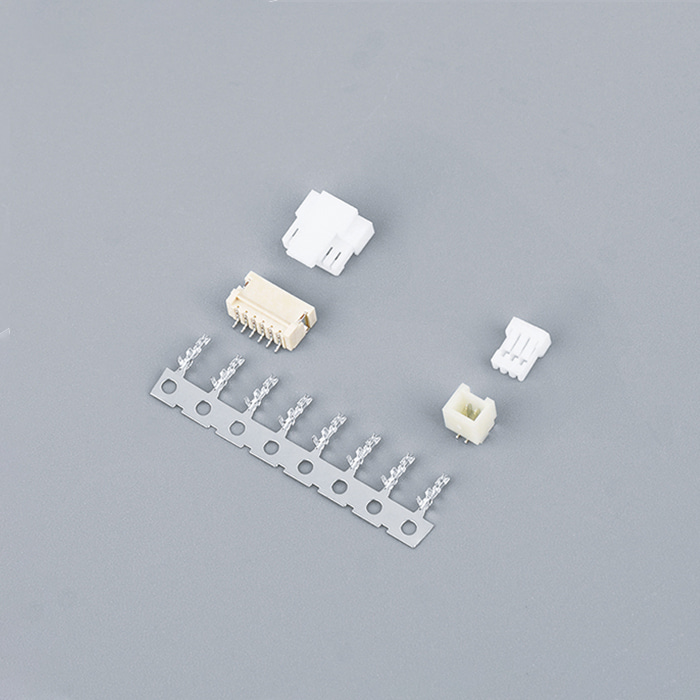
Electric vehicle technology has brought a host of innovations — but it has also introduced new safety considerations for the electrical systems that power them. Components such as the Auto Electronic Connector and particularly the high-voltage Vehicle Battery Connector are essential to transferring power and data, yet they operate under conditions that challenge both performance and safety. Recent discussions among EV owners and technicians highlight several safety concerns that users should understand to avoid hazards, from electrical shock to thermal issues.
A Vehicle Battery Connector in an EV carries significantly higher voltage and current than a traditional 12-volt vehicle battery connection. Because of these electrical demands, connectors in EV systems must meet stringent design and safety requirements. Industry regulations and standards take these concerns seriously, as improper handling or connector failures can pose real risks.
Electrical shock is one of the foremore safety hazards associated with high-voltage battery connections. Live contacts exposed due to improper design, damage, or misuse can present a risk of severe shock to users or technicians working around the connector. Connectors used in EV charging systems are engineered with robust insulating materials and recessed contacts to minimize this risk, but loose or damaged parts can compromise this protection.
Arcing, the uncontrolled flow of electricity between conductive elements, is another major concern. If a connector is not fully mated or if contact spacing is inadequate, an arc can form when disconnecting under load. This can generate sparks, heat, and potentially ignite surrounding materials — especially serious in high-current charging applications. Connectors designed with proper distances between pins and safety pilots help reduce this risk.
Charging an EV, especially using DC fast chargers, generates significant heat in the connector interface. Without good thermal design and monitoring, connectors can overheat, causing melting or deformation of plastic components, insulation breakdown, and potential safety hazards during charging sessions. Some systems include built-in temperature sensing to halt charging if temperatures rise too high, preventing damage or fire risks.
Repeated high-current charging cycles can stress materials and joints within the connector, emphasizing the need for components that are rated for the expected operating range. A poorly designed or undersized connector may not dissipate heat effectively, causing premature wear or unsafe operating conditions.
Connectors in automotive environments must withstand vibration, moisture, dust, and temperature extremes. Exposure to elements can degrade contact surfaces, seals, and insulation, increasing the risk of short circuits or connector failure. Corrosion or water ingress may create conductive paths where none should exist, undermining both performance and safety.
Ingress protection (IP) ratings are used to quantify a connector’s resistance to dust and water. Higher IP ratings indicate better sealing and protection — an important factor for connectors exposed to road spray or outdoor charging stations.
Using the wrong type of connector or one that does not comply with safety standards introduces several risks. Mismatched connectors can cause high resistance points, overheating, or even short circuits. Compliance with automotive electrical standards ensures that connectors are engineered to handle specified voltages and currents safely.
Non-compliant parts not only risk user safety but can also result in legal liability and voided warranties on electrical equipment.
A reliable mechanical latch or locking system on a connector helps prevent accidental disconnection under load. This is especially important for charging plugs and high-voltage battery connections. A secure latch ensures that the connector remains fully seated during operation, reducing the chance of arcing, overheating, or intermittent contact that could pose a safety issue.
Users and technicians should never attempt to service high-voltage systems in EVs without proper training and equipment, as unauthorized handling can result in serious injury. Professional service personnel follow specific safety protocols to disengage energy storage systems before maintenance.
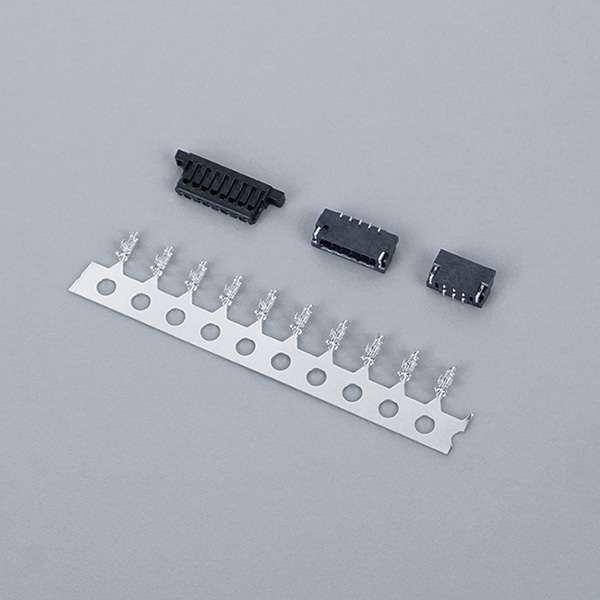
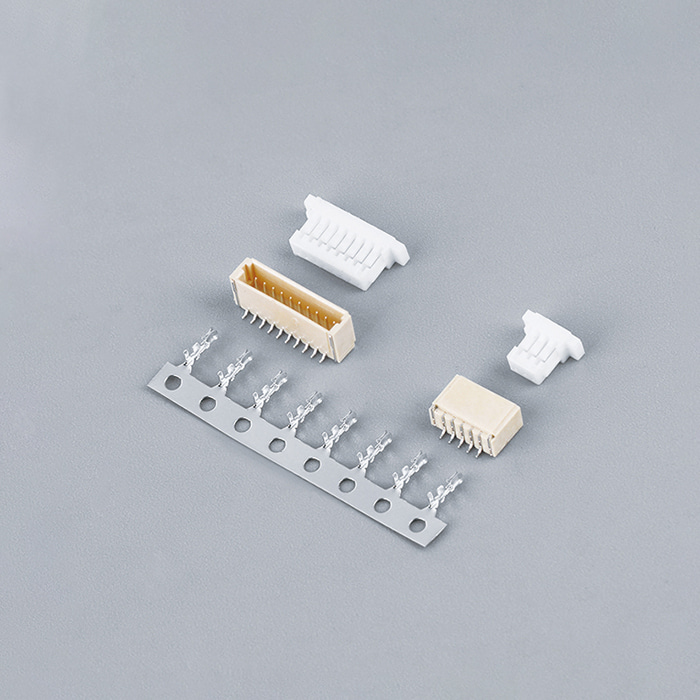
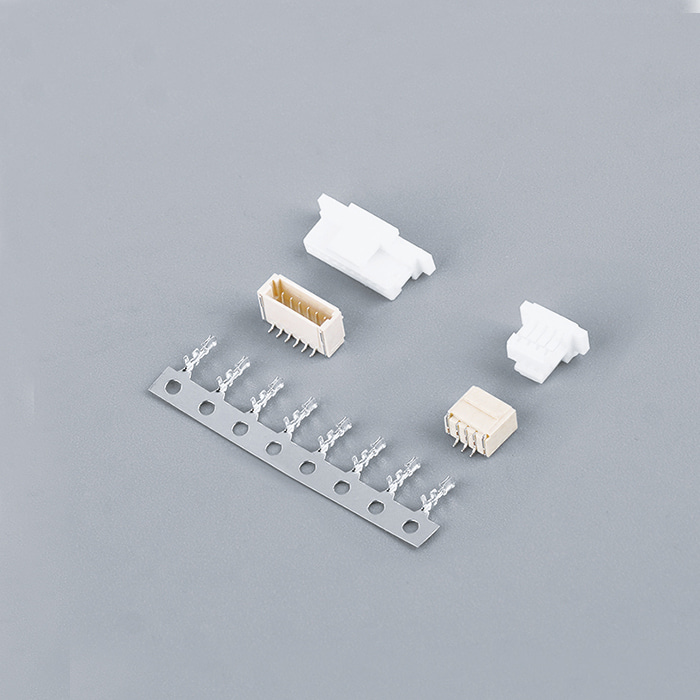
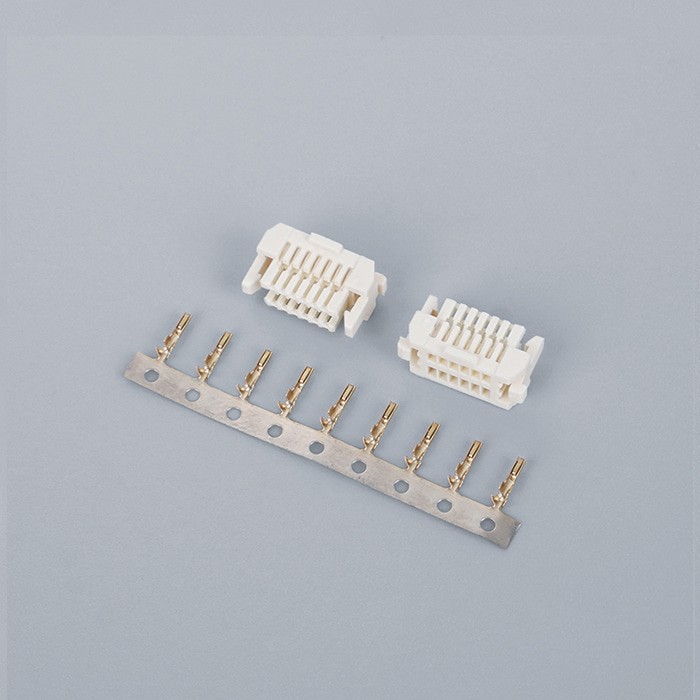
At Zhejiang Kuaili Electronics Co., Ltd., attention to safety in connector design is a priority. Products such as robust Auto Electronic Connector assemblies are rigorously tested for insulation quality, mechanical strength, and long-term durability. Choosing components with appropriate safety ratings helps mitigate the risks highlighted above.
Understanding and addressing these safety concerns is crucial for EV owners and service providers alike. High-quality connectors, proper installation, and awareness of potential hazards all contribute to a safer, more reliable electric vehicle experience.



 English
 Español
 Türk
 فارسی