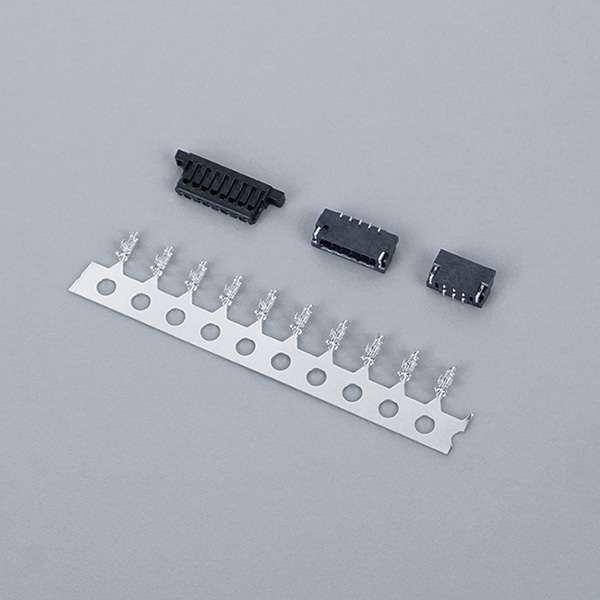
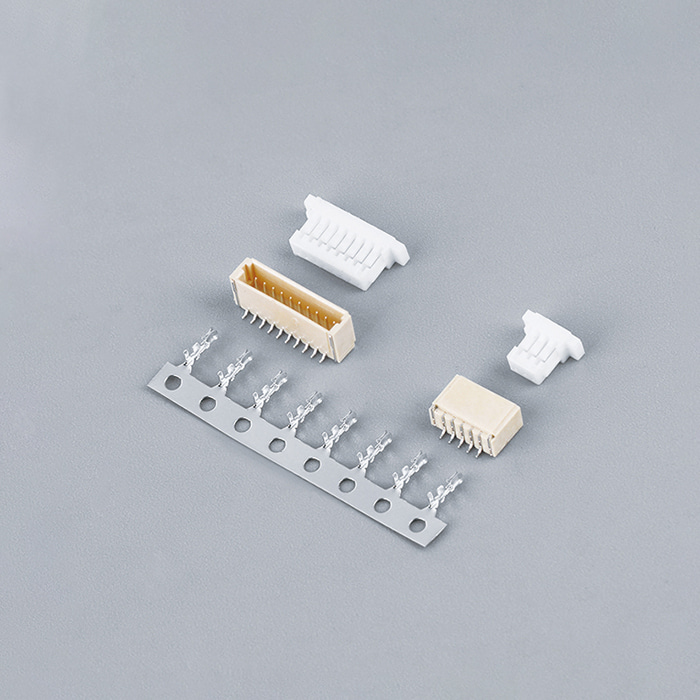
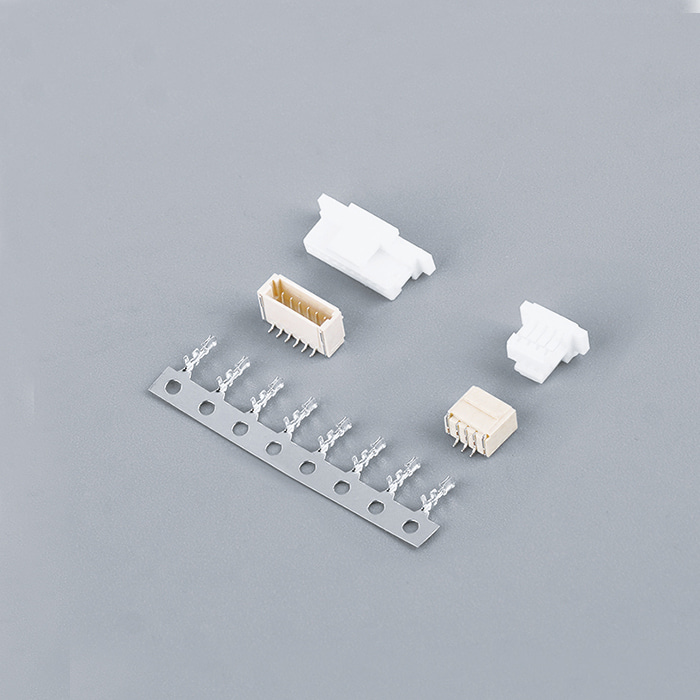
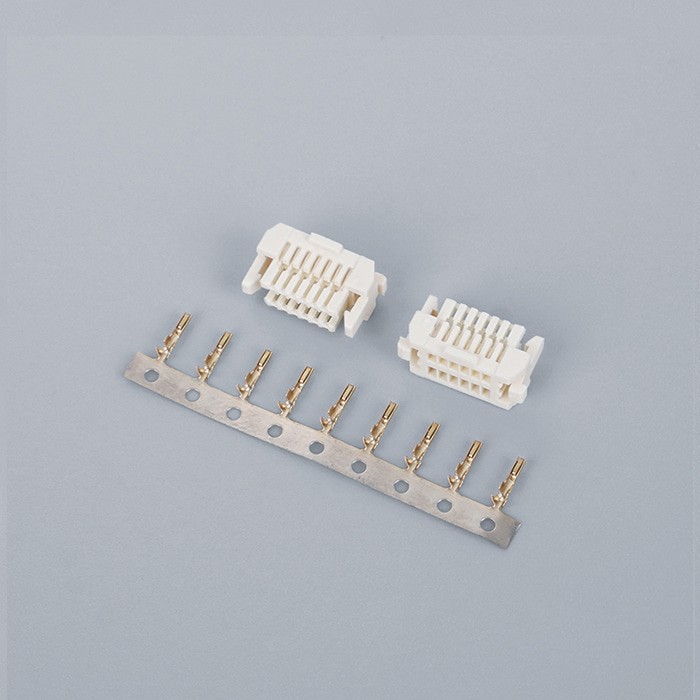
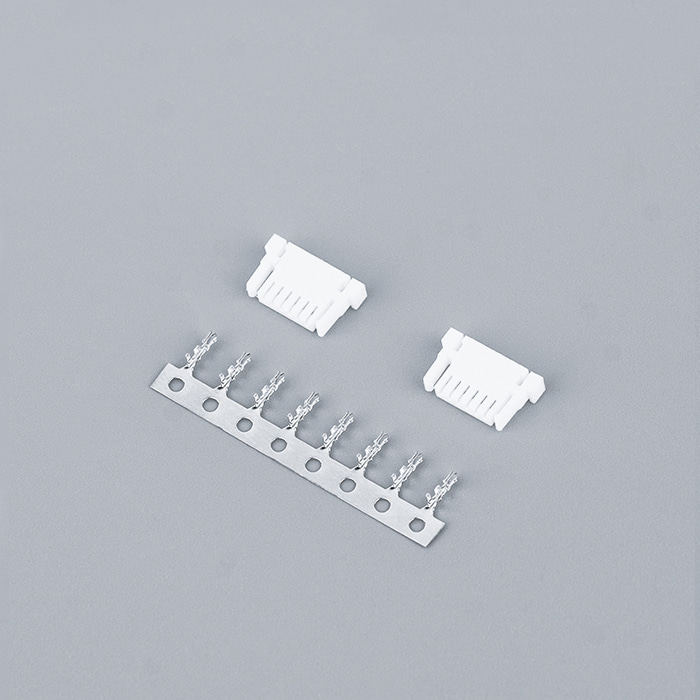
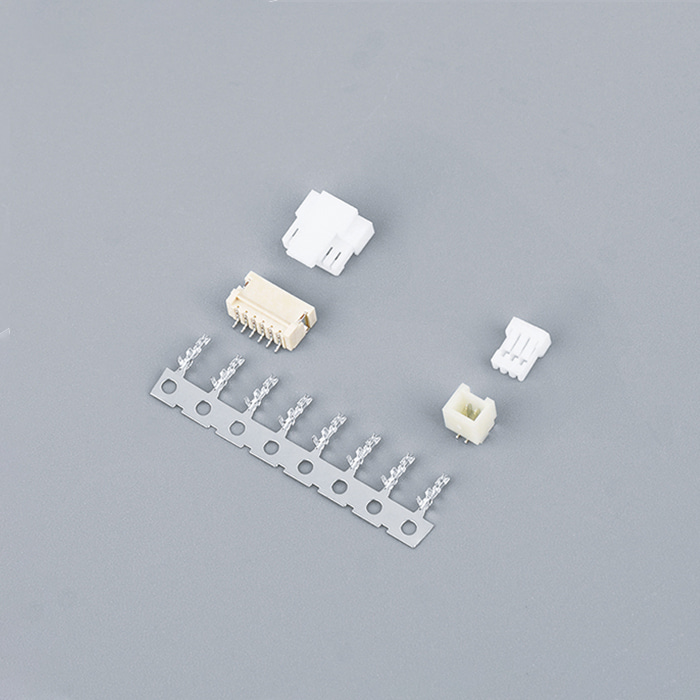
Electrical reliability starts with one simple decision: matching the correct AWG wire size to the terminal connector. A mismatch can cause overheating, loose contact, or even complete circuit failure under vibration or load. In automotive and industrial wiring systems, our company frequently works with Wire To Wire Terminal Connectors and Wire To Wire Cable Connectors, where proper AWG selection directly determines long-term stability and conductivity performance.
Understanding AWG (American Wire Gauge) is not only about diameter—it also defines current capacity, mechanical fit, and crimping integrity.
AWG is an inverse scale: the smaller the number, the thicker the wire. A 10 AWG wire carries significantly more current than 18 AWG, but it also requires a larger terminal barrel.
Key relationships:
Typical current ranges:
Every terminal is designed with a specific wire range. For example, a blue insulated crimp terminal typically supports 16–14 AWG, while a red terminal supports 22–16 AWG depending on structure.
General industry mapping:
If the wire is too thick, the crimp will not fully close. If too thin, the wire will slip and create resistance.
This is why our company always recommends selecting connectors based on both conductor diameter and insulation range, not just nominal AWG.
Below is a practical selection guide used in automotive and machinery wiring systems:
This range ensures the crimp barrel compresses correctly without cutting or loosening strands.
Electrical performance is only half the story. Mechanical compatibility is equally important.
A proper terminal must:
Our company has observed that many field failures come from incorrect crimp force rather than incorrect wire size alone.
A correctly matched AWG ensures:
Even with correct AWG, poor crimping can still cause failure.
Best practice includes:
A properly crimped connector often outperforms soldered joints in vibration environments because it avoids brittle fracture points.
AWG selection is also influenced by heat and load conditions:
Example:
This is why automotive engineers always oversize wire slightly for safety margin.
Terminal performance is not only electrical—it is environmental.
Key stress factors:
Proper AWG-to-terminal matching reduces micro-movement inside the crimp, which helps prevent fretting corrosion over time.
Sealed Wire To Wire Cable Connectors further improve durability in harsh environments by preventing moisture ingress and stabilizing internal contact pressure.
From our company’s manufacturing experience:
Connector reliability is not achieved by a single factor—it is the result of correct AWG selection, proper crimp geometry, and stable mechanical design working together.



 English
 Español
 Türk
 فارسی