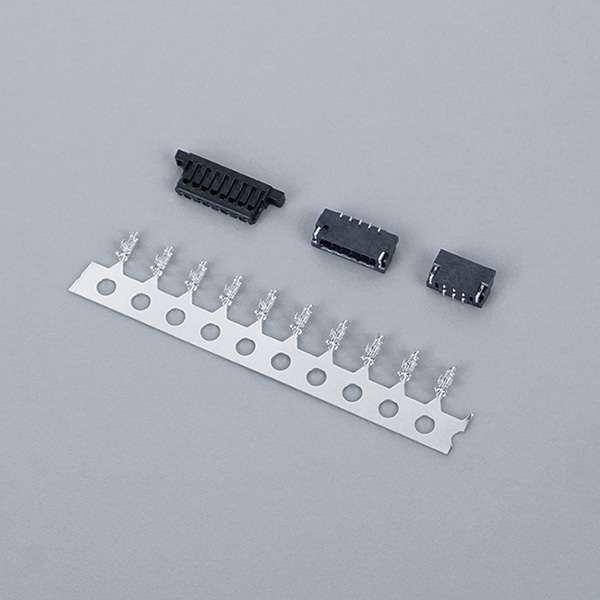
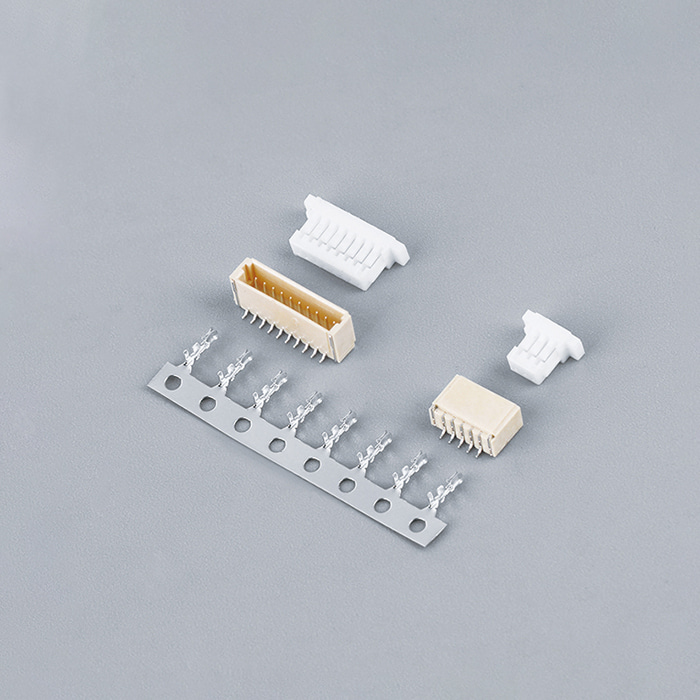
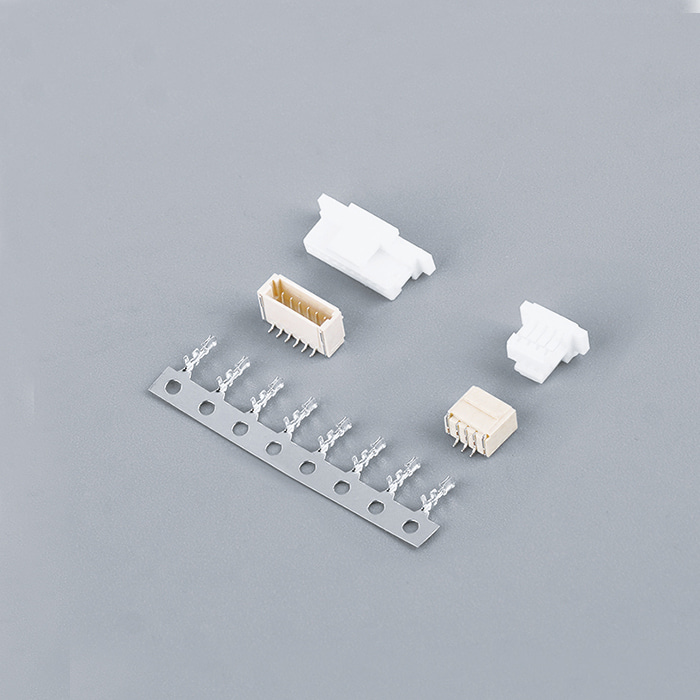
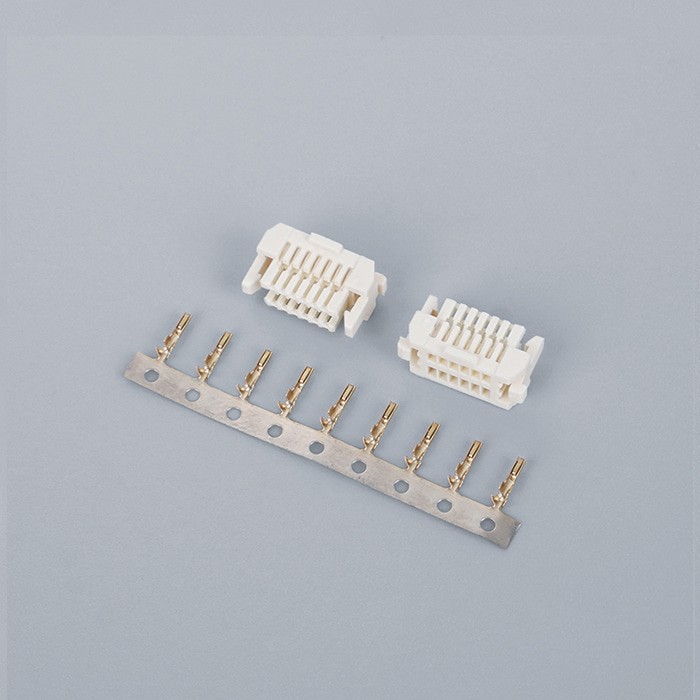
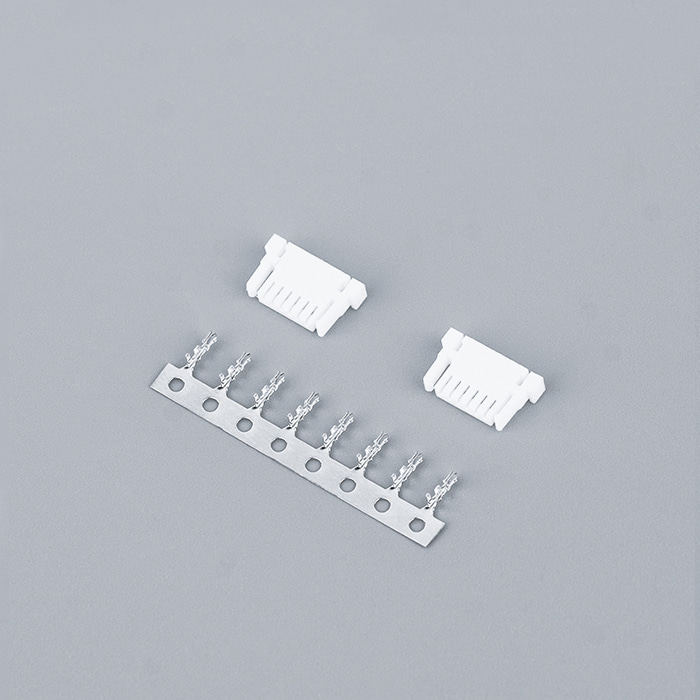
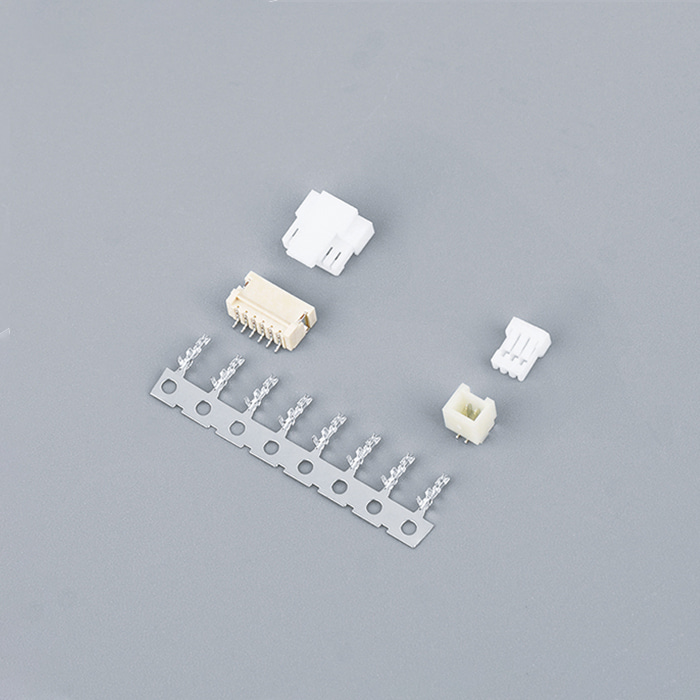
Vibration is an unavoidable factor in automotive applications, but its impact on electrical connections can be minimized through careful design, material selection, and proper maintenance. Automotive electrical terminals that incorporate vibration-resistant features ensure stable electrical performance, reduce failures, and extend component life. Zhejiang Kuaili Electronics Co., Ltd. continues to develop insulated electrical connectors that meet these challenges, providing solutions that withstand vibration while delivering long-term reliability.
Engine and Drivetrain: Combustion engines produce continuous oscillations that transmit through the chassis to wiring harnesses. High-frequency vibrations in diesel engines are particularly impactful on electrical connections.
Road Surface and Terrain: Driving on uneven roads, potholes, or off-road conditions exposes terminals and connectors to repeated mechanical shocks.
Accessory Equipment: Components such as air conditioning compressors, alternators, and pumps generate localized vibration that can propagate through wiring harnesses.
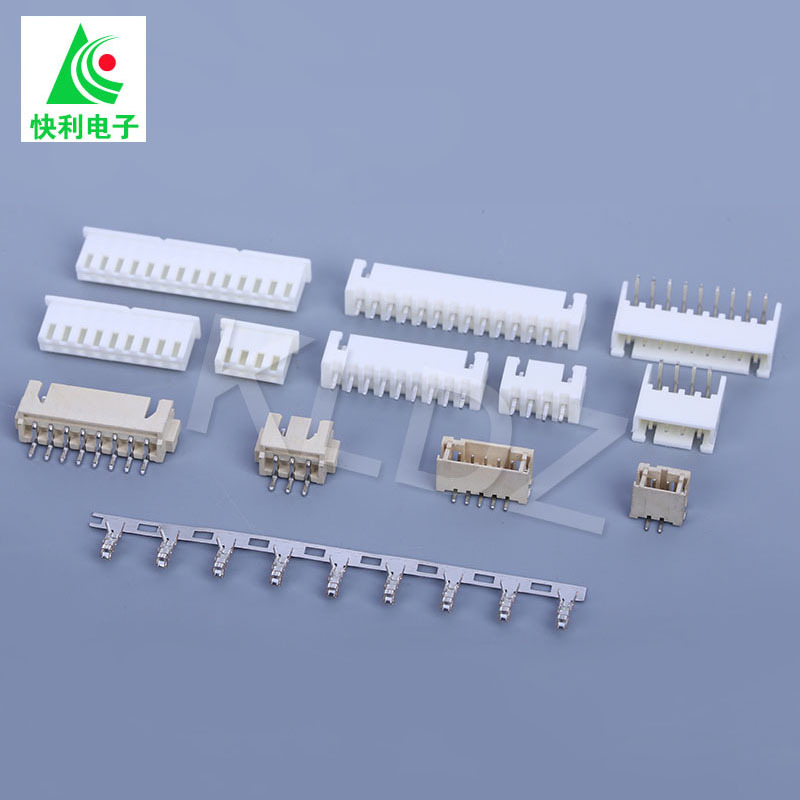
Terminal Loosening: Repeated mechanical movement can gradually loosen crimped or soldered terminals, reducing electrical contact quality.
Wire Strand Fatigue: Wires that flex under vibration can develop micro-fractures over time, especially if the conductor is bent near the terminal.
Insulation Damage: Vibration can abrade insulation, exposing conductors to moisture or short-circuit risk. Insulated electrical connectors are designed to mitigate this, but substandard materials may fail prematurely.
Intermittent Faults: One of the more insidious consequences of vibration is intermittent electrical faults that are difficult to diagnose, often causing sensors or control modules to behave unpredictably.
Secure Locking Mechanisms: Connectors with snap-fit, latch, or locking tabs resist loosening under mechanical stress.
Flexible Strain Relief: Adding strain relief at terminal entry points reduces stress on the wire strands, protecting them from fatigue.
Vibration-Resistant Materials: Using high-strength plastics, reinforced housings, and corrosion-resistant metal terminals helps maintain stable connections.
Sealed Connectors: Insulated electrical connectors with gaskets or O-rings prevent moisture ingress, which can worsen the effects of vibration-induced micro-gaps.
Regular Visual Checks: Look for signs of loosened terminals, frayed wires, or cracked insulation, particularly in engine compartments and near moving components.
Mechanical Testing: Gently pulling on connectors or applying slight flexing can reveal weak crimps before they fail under real driving conditions.
Reinforcement Techniques: For critical circuits, applying dielectric grease or securing harnesses with cable ties or protective sleeves reduces vibration transmission.
Replacement Schedule: High-vibration zones, such as near engines or suspension areas, may require periodic replacement of connectors to ensure long-term reliability.
Battery and Starter Connections: Vehicles operating on rough roads experienced occasional starting failures due to micro-loosening of terminals. Upgrading to vibration-resistant insulated connectors eliminated the issue.
Engine Sensor Circuits: Temperature, pressure, and oxygen sensors rely on precise signal transmission. Poorly secured terminals resulted in intermittent sensor readings, resolved by using vibration-optimized connectors.
Aftermarket Installations: Custom wiring harnesses in off-road vehicles are particularly susceptible to vibration. High-quality connectors with strain relief, such as those from Zhejiang Kuaili Electronics Co., Ltd., improve performance and reduce maintenance frequency.
Understanding how vibration affects these components is crucial for vehicle designers, repair professionals, and end users who want reliable performance. Zhejiang Kuaili Electronics Co., Ltd. designs connectors that are resistant to vibration, incorporating mechanical stability and enhanced insulation to minimize risk.



 English
 Español
 Türk
 فارسی