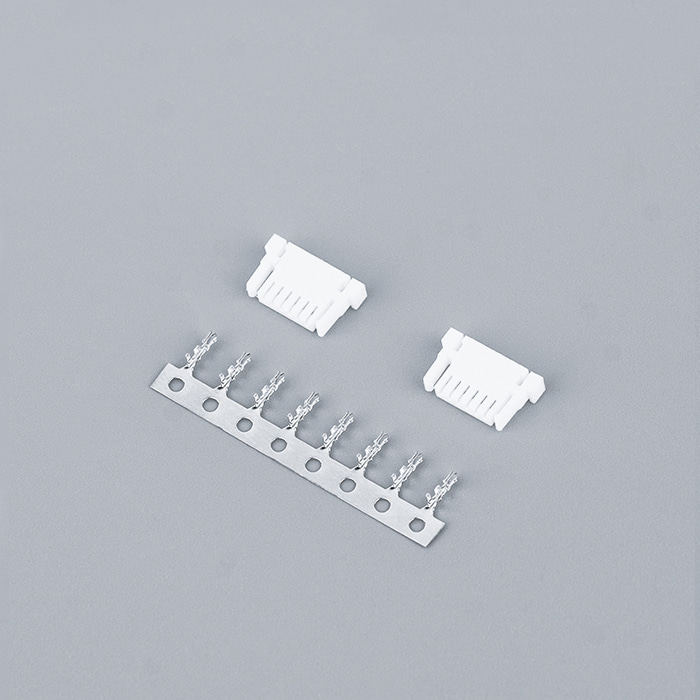
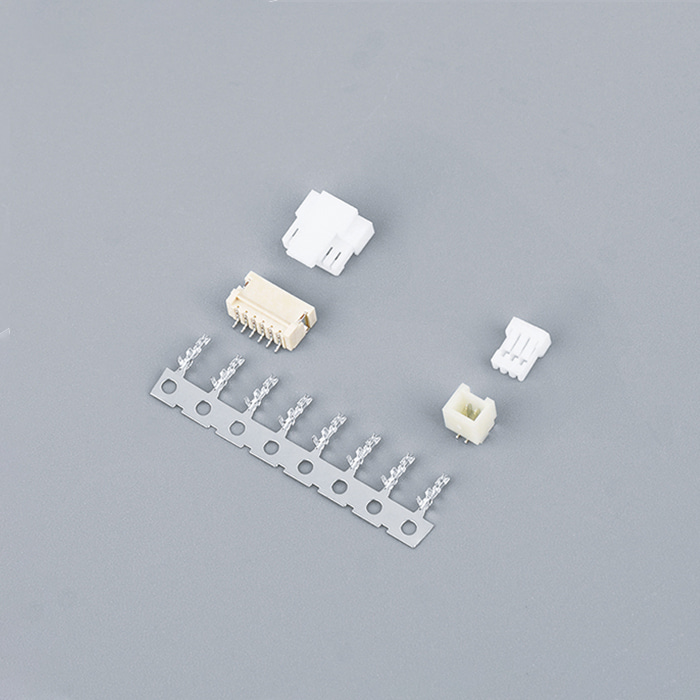
Understanding how to diagnose faults in electrical connections such as an Auto Electronic Connector or a Vehicle Battery Connector can save both time and money in vehicle maintenance. These connectors are the backbone of electrical continuity in modern vehicles, yet problems like corrosion, poor contact, or wiring damage can disrupt performance and cause intermittent issues that are difficult to pinpoint. Many users ask how they can efficiently find and fix such faults without trial-and-error guesswork.
Accurate diagnosis often starts with observing how the vehicle behaves. Users commonly report symptoms like flickering lights, intermittent electronics, or slow cranking when there’s a bad connection. These signs often indicate a problem around a connector that is either loose or not conducting well. Before grabbing tools, take note of when the issue occurs — under vibration, during cold starts, or after rain — as this can provide valuable clues.
Begin by inspecting the connector visually. Look for:
A thorough visual check can reveal obvious physical damage without tools. Connectors that show rust or green corrosion around the pins often impede electrical flow and may need cleaning or replacement. Clean contacts can often restore continuity where corrosion has been the culprit.
Once visual inspection is done, a digital multimeter is one of the more effective tools to diagnose electrical faults quickly:
1. Continuity Test:
Set your multimeter to continuity mode. Place the probes on opposite ends of the connector’s pins. A beep or low reading means the circuit is intact. No beep or a high reading suggests an open circuit or broken connection.
2. Voltage Drop Test:
For circuits in use (for example, a starting circuit under load), measure voltage at points before and after the connector. A voltage drop greater than approximately 0.2 V can indicate excessive resistance caused by corrosion or loose contacts.
These quick tests help isolate whether a connector itself is at fault or if the issue lies elsewhere in the wiring harness.
A simple yet effective method involves gently wiggling the connector while the circuit is active. If flickering or sudden changes occur during movement, the connector contact may be intermittent. This non-destructive test helps confirm a loose internal connection without disassembling the harness. Always ensure safety by keeping probes steady and avoiding pinching insulation.
Often, connectors fail due to corrosion or dirt buildup. After identifying a suspect connector, disconnect power and use an appropriate electrical contact cleaner to remove oxidation and contaminants. For stubborn rust, a baking soda and water mixture can be applied to dissolve buildup before rinsing and drying. After cleaning, applying a light coat of dielectric grease can protect the contacts and extend service life, especially for connections exposed to moisture or road debris.
Faults are not always inside the connector itself; poor grounding or damaged wiring can mimic connector issues. Ground circuits between chassis and battery negative should be tested, ensuring resistance remains within acceptable ranges. Excessive voltage on ground paths while cranking the engine can point to poor connections elsewhere that may appear as connector faults at initial glance.
Once a faulty connector is identified, replacing it with a properly crimped and securely latched unit often restores electrical performance. Ensure connectors are firmly seated and that locking tabs are fully engaged to prevent future intermittent faults. After replacement, retest the circuit using the same multimeter techniques to confirm improved continuity and stable voltage levels.
To diagnose quickly and reliably, having the right tools makes a big difference:
High-quality tools help ensure accurate measurements and preserve connector integrity while working.
At Zhejiang Kuaili Electronics Co., Ltd., we emphasize connector designs that minimize common failure modes and simplify diagnostic steps for technicians. Durable Auto Electronic Connector and Vehicle Battery Connector products with robust contacts and secure latching mechanisms reduce the likelihood of unexpected faults in automotive electrical systems.
Quickly diagnosing connector faults involves careful observation, methodical testing, and the right tools. With these steps, both professionals and DIY enthusiasts can identify the root cause of electrical issues and restore reliable performance to modern vehicles.



 English
 Español
 Türk
 فارسی