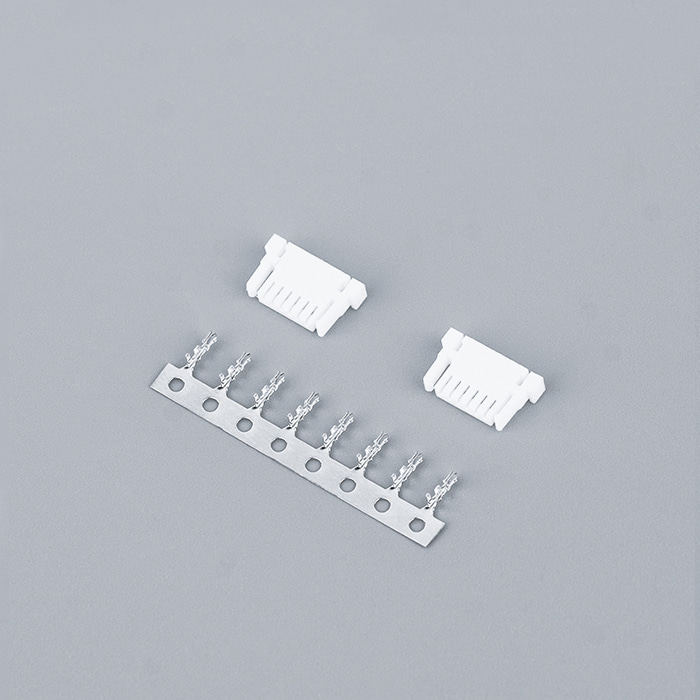
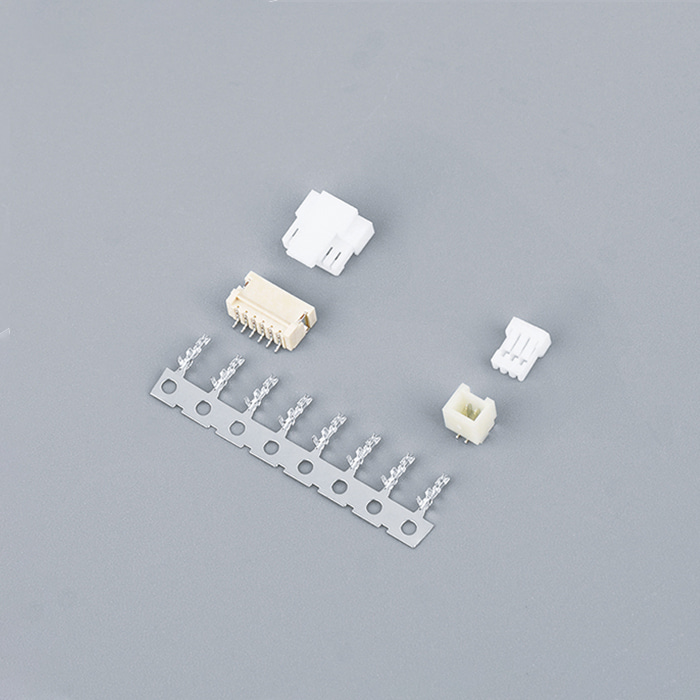
Ever paused to think, what does “60 A” on XT60 really mean? When it comes to Wire To Wire Connectors, especially when comparing Connector XT60 XT90. the numbers on the spec sheet can feel misleading. At Kuaili, we make it a priority to help users decode these ratings and understand the true electrical capacity—not just a marketing figure.
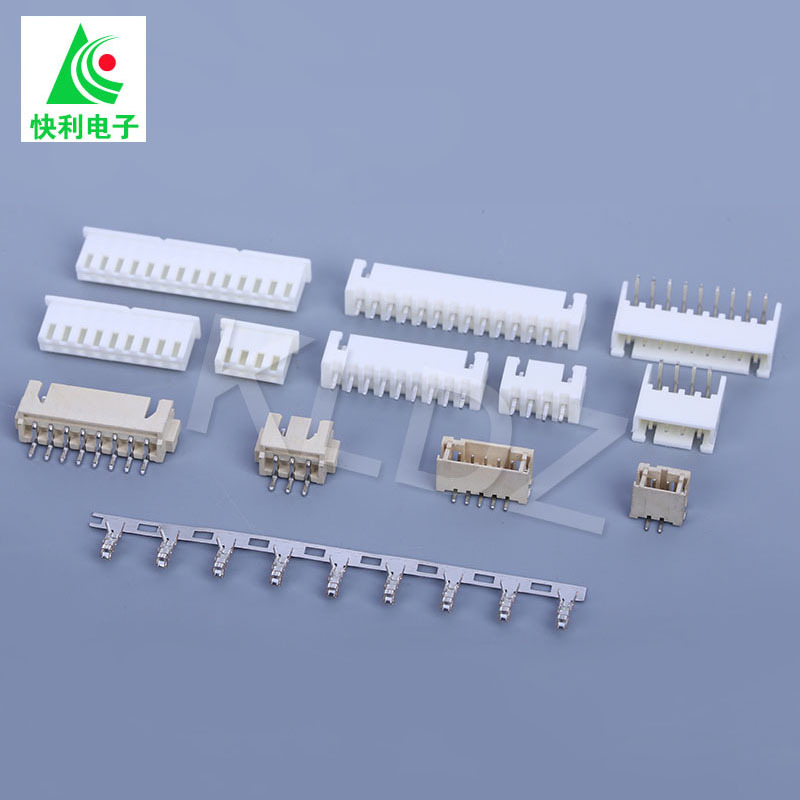
By design, XT60 connectors are often rated for 60 A continuous, while XT90 connectors are rated for around 90 A. However, it’s important to note that those figures are typically derived under ideal laboratory conditions—perfect solder joints, ideal wire gauge, and good ventilation.
In real-world use, XT60 may run hotter or perform differently depending on:
Wire gauge (e.g., 12 AWG vs. 10 AWG),
Environmental conditions such as ambient temperature or airflow.
From hobbyist forums, valuable real-world insights emerge. One user on RC Talk expressed confusion:
“I know that, according to what I read, the XT60 is for 60 A, and the XT90 is for 90 A, but how much amperage does the ESC actually use when running is where I sometimes get lost…”
Interestingly, another user on r/rccars shared:
“XT30 and XT60 connectors have a general rule associated with them: Take the rated current, double it, and the connector doesn't friggin’ care… I regularly put 200A through an XT90 and it hasn't melted yet.”
These initialhand accounts underline that connectors may exceed their spec ratings short-term—but that doesn’t guarantee long-term safety.
Here’s what really influences how much current an XT60 or XT90 connector can manage:
Thicker wires handle current better. For example, using 10 AWG with XT90 makes sense for high-current setups. Mixing 12 AWG with XT60 may work—but only up to moderate loads.
Poor solder can increase resistance, which leads to heating and voltage drop—even if the connector’s rating is sufficient.
Contacts may degrade or corrode over time, raising resistance. Cleaning with contact cleaner or lightly re-mating connectors can improve performance.
Brief bursts of high current may be acceptable, but sustained loads above rating can overheat the connector. FYI: XT60 may fail after prolonged use at harsh loads, even around 200 A bursts that lasted 10 seconds.
Connector Spec Rating Observed Tolerance Notes
XT60 ~60 A continuous Up to 120 A burst (short-term) Higher risk of heat buildup
XT90 ~90 A continuous Users report 200 A bursts safely Better overhead, tougher connection
To keep your system safe and efficient:
Start with spec ratings as a baseline.
Always use a wire gauge matched to expected currents.
Ensure clean, robust solder joints—heat and flow matter.
Test under real conditions, monitoring temperature and voltage drop.
Consider XT90 for continuous high-current systems; XT60 may suit lighter loads or where space is tight.
| Connector | Spec Rating | Observed Tolerance | Notes |
|---|---|---|---|
| XT60 | ~60 A continuous | Up to 120 A burst (short-term) | Higher risk of heat buildup |
| XT90 | ~90 A continuous | Users report 200 A bursts safely | Better overhead, tougher connection |
A controlled high-current test report revealed both XT60 and XT90 performed as advertised: they heated under load but remained within safe bounds during intermittent duty:
Voltage drop and heat were moderate up to 70 A.
XT-90 ran slightly hotter than XT-60—but both remained functional.
At Kuaili, we believe in combining spec knowledge with real-world testing. By understanding both, you can select the right Wire To Wire Connectors—whether XT60 or XT90—with confidence and safety.



 English
 Español
 Türk
 فارسی