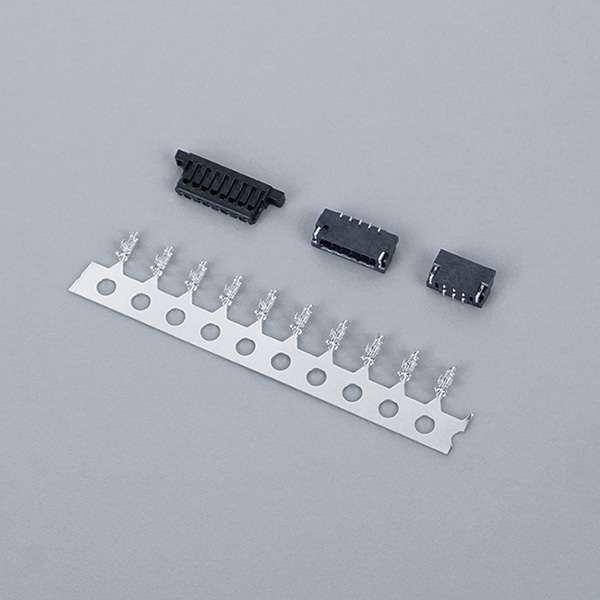
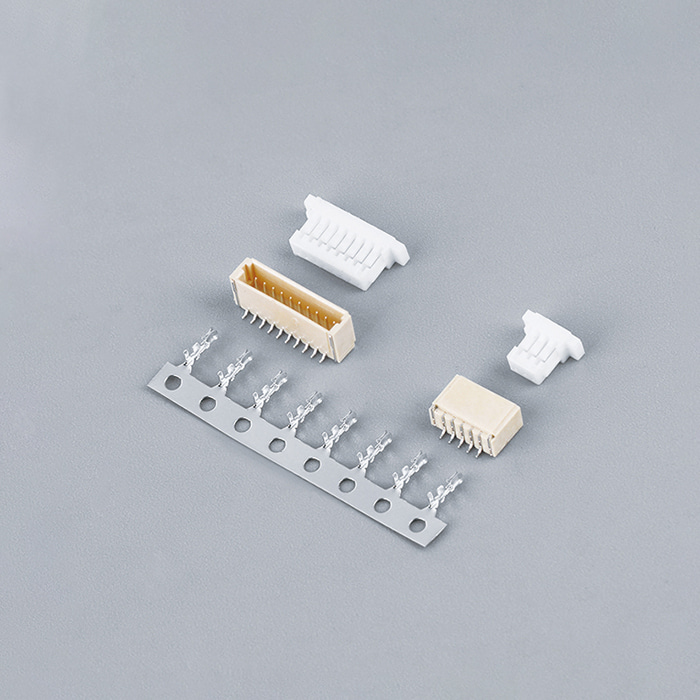
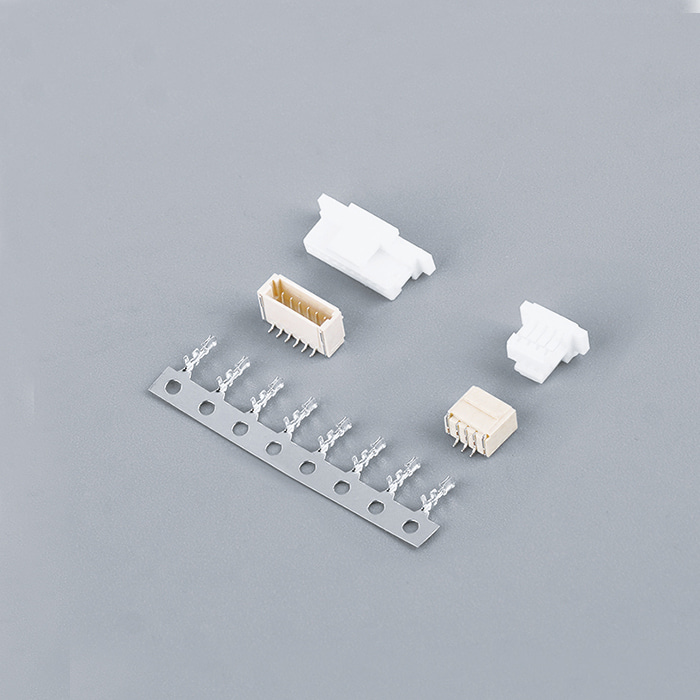
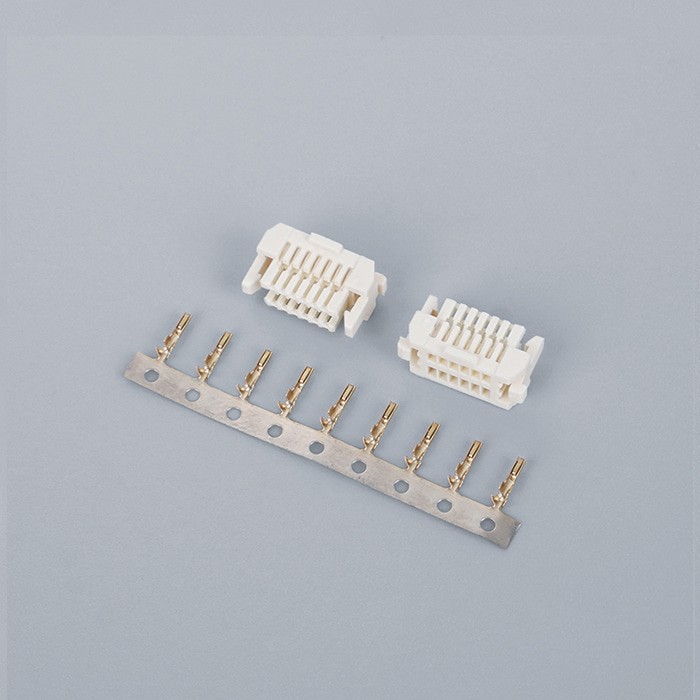
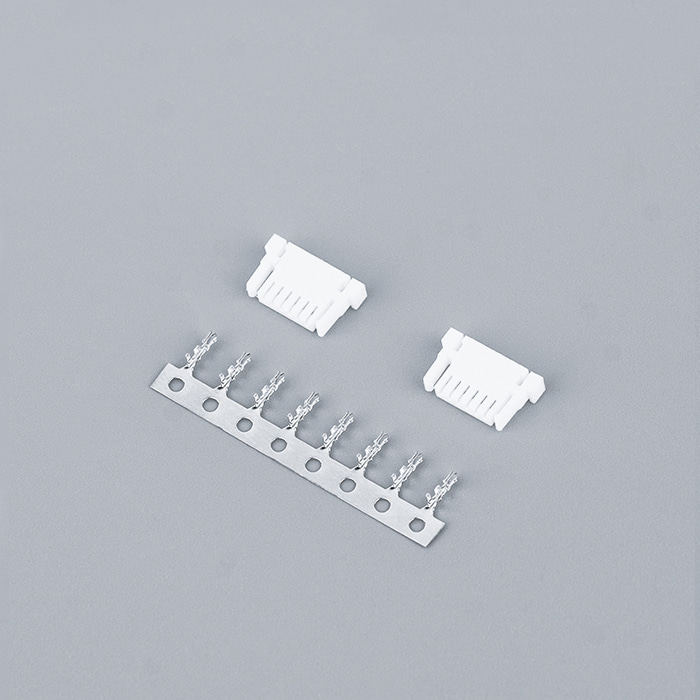
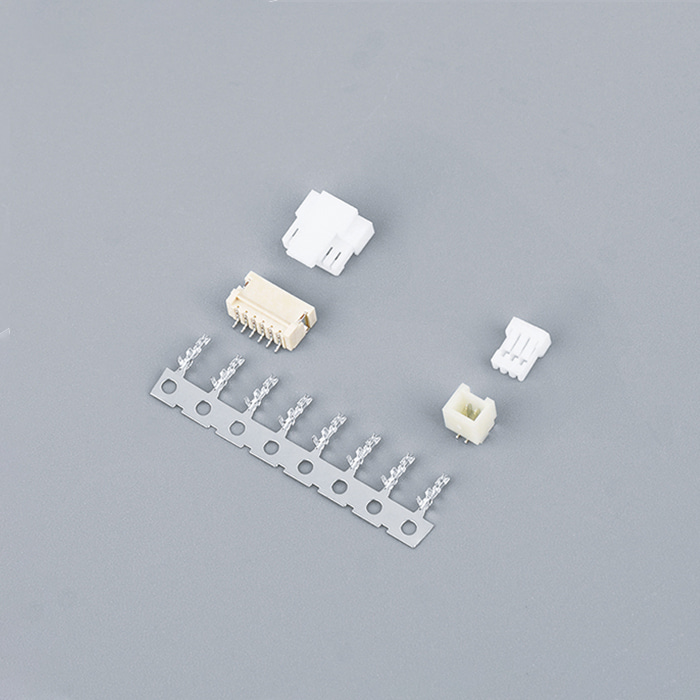
Extreme temperatures are one of the biggest engineering challenges in modern vehicles, and Automotive FPC Connector designs must withstand these harsh conditions without performance degradation. Combined with FFC and FPC Connectors used throughout vehicle electronics, from infotainment screens to ADAS sensors, heat resistance becomes a core reliability concern for designers and users alike. Automotive electronics routinely operate from deep cold to engine-bay heat, straining both materials and connection interfaces.
Car manufacturers and system integrators often cite temperature resilience as a key requirement in connector specification sheets because poor thermal behavior can contribute to intermittent connections, signal loss, or even permanent failure. This isn’t hypothetical: today’s vehicles place more electronic circuits in areas previously dominated by mechanical components, increasing exposure to heat hotspots near battery packs and power electronics.
At the heart of any connector’s thermal performance are the materials used in the housing, contacts, and cable insulation. Connector housings often employ specialized thermoplastics or high-temperature resins that tolerate extended operation up to 125℃ without warping or embrittlement. Contacts, meanwhile, may use alloys with stable conductivity and minimal oxidation under heat stress.
In many automotive scenarios, the flexible printed circuits themselves also play a role. Polyimide (PI)-based FPCs are common because they maintain a stable dielectric and mechanical behavior over broad temperature ranges, helping avoid signal integrity issues that might otherwise be confused with connector failures.
Engineering design goes beyond choosing high-temperature materials. Minimizing temperature gradients across the connector and cable, for instance, helps prevent mechanical stress caused by unequal expansion. Some implementations incorporate reliefs or flexible routing patterns that allow thermal movement without stressing contacts.
Connector retentive features and locking mechanisms also come into play. A robust lock keeps the FPC/FFC interface secure even if heat softens certain components or causes slight movement due to expansion. These mechanisms are especially important in places with constant temperature cycling (e.g., near HVAC ducts or engine control modules).
The automotive industry often follows AEC-Q200 and similar testing standards for connectors involving thermal shock, humidity, and vibration. These tests simulate repeated heating and cooling cycles that represent years of service in a few days of lab testing. Designing to meet these standards means engineers know their products can handle real-world conditions.
System designers also validate performance at the assembly level, monitoring impedance stability and contact resistance across temperature ranges. This helps ensure that FFC and FPC Connectors perform consistently regardless of environmental stresses.
The result of thoughtful material selection and engineering is fewer field failures, reduced warranty costs, and smoother operations for automotive electronic systems. Users often ask why their infotainment screen glitches on a hot afternoon or why sensor modules fail prematurely; thermal stresses at the connector interface are a common culprit. Heat-tolerant Automotive FPC connectors help shield vehicles from these problems.
By considering these thermal effects early in design and manufacturing, suppliers like Zhejiang Kuaili Electronics Co., Ltd. help ensure that automotive electronics are resilient throughout their service life, even under prolonged exposure to harsh temperatures.



 English
 Español
 Türk
 فارسی