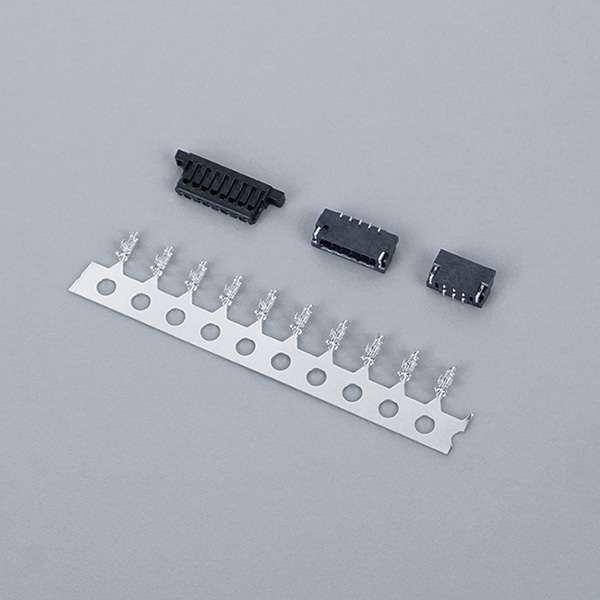
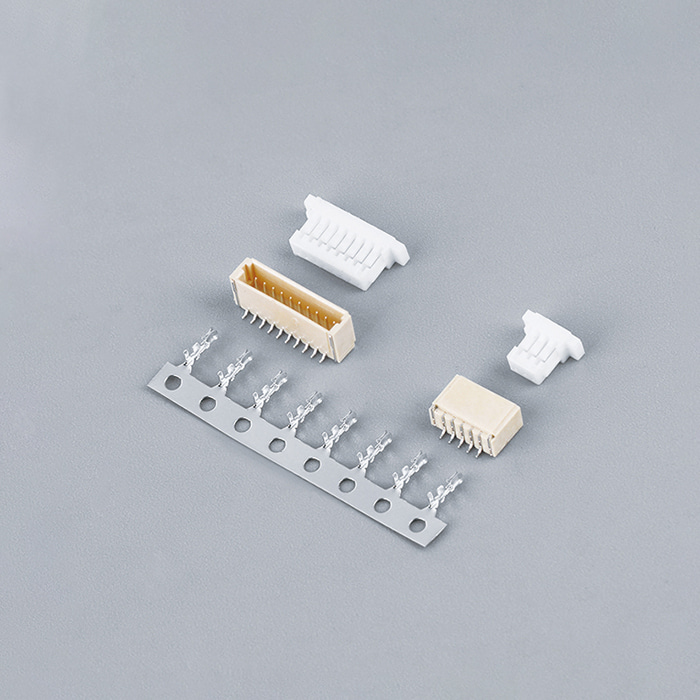
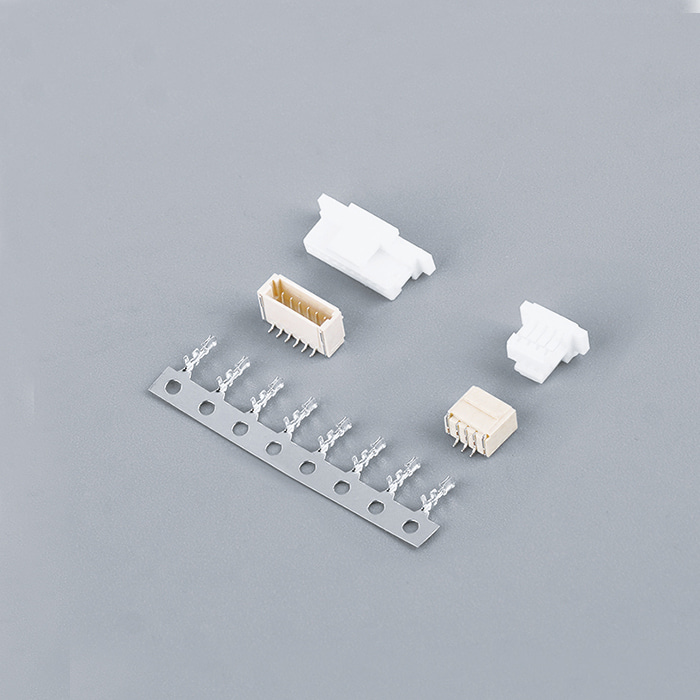
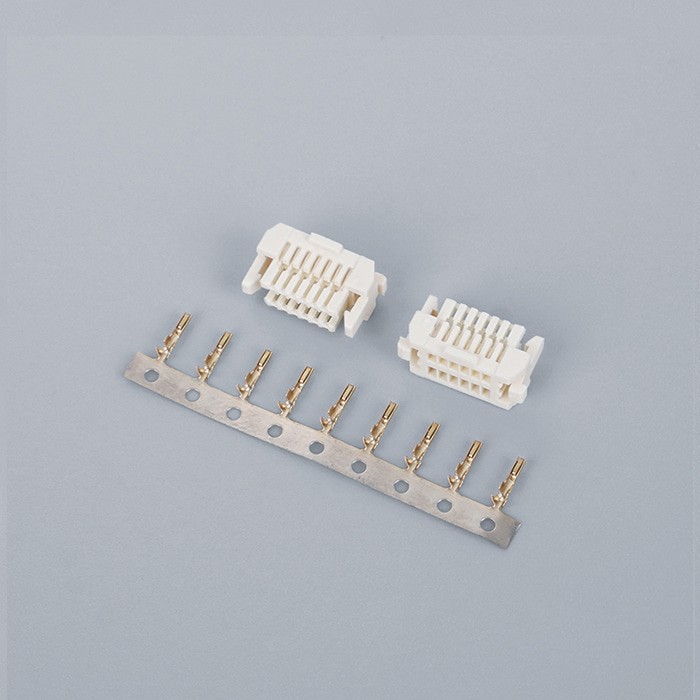
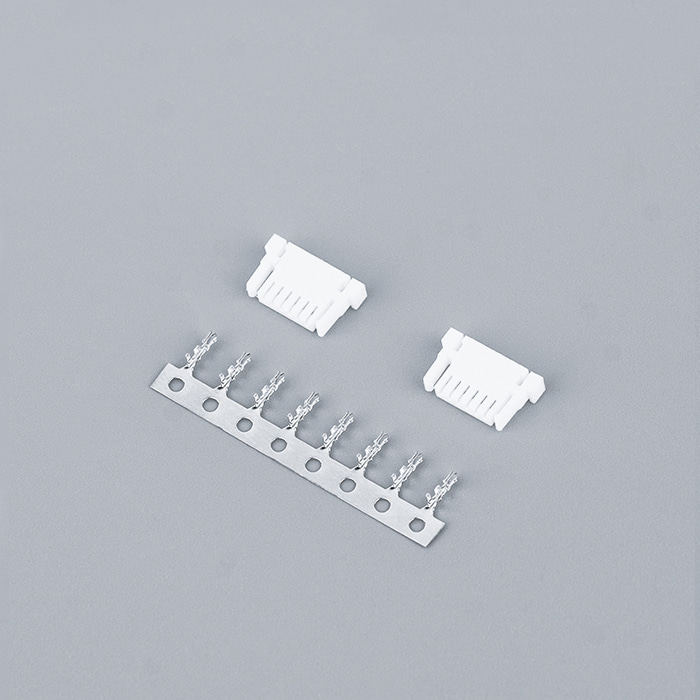
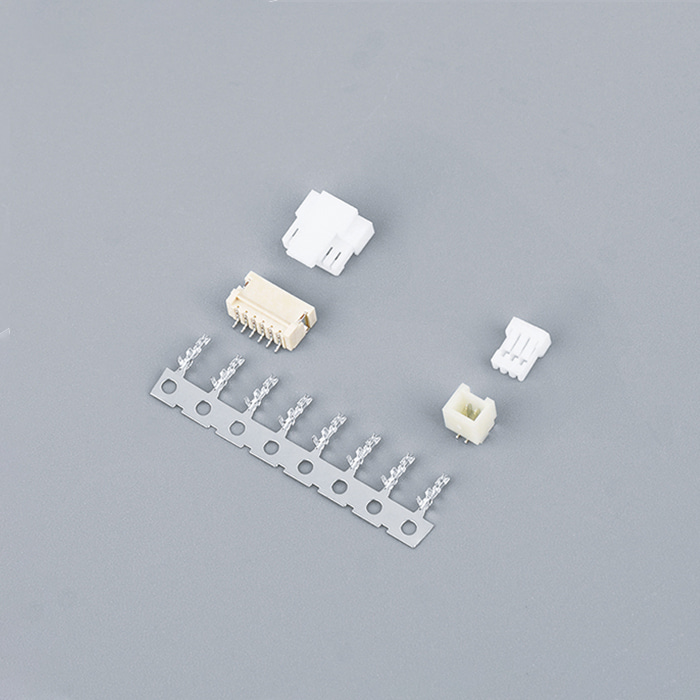
High-power circuits in vehicles demand insulated electrical connectors that can handle significant current without overheating or losing conductivity. Factors such as current rating, wire gauge, material quality, and environmental resistance play essential roles in determining connector suitability. Companies like Zhejiang Kuaili Electronics Co., Ltd. provide a broad selection of automotive electrical terminals engineered for high-current applications, offering durability, safety, and consistent electrical performance for modern vehicles.
Rated Current Capacity: Every connector and terminal has a rated current rating. Using a connector below the required rating can cause excessive heat, melting insulation, or even short circuits.
Voltage Considerations: High-power circuits often operate at 12V, 24V, or higher. Connector insulation must withstand these voltages without breakdown.
Derating for Safety: Consider environmental factors such as temperature rise and vibration. It is recommended to select connectors with ratings slightly higher than the rated anticipated load.
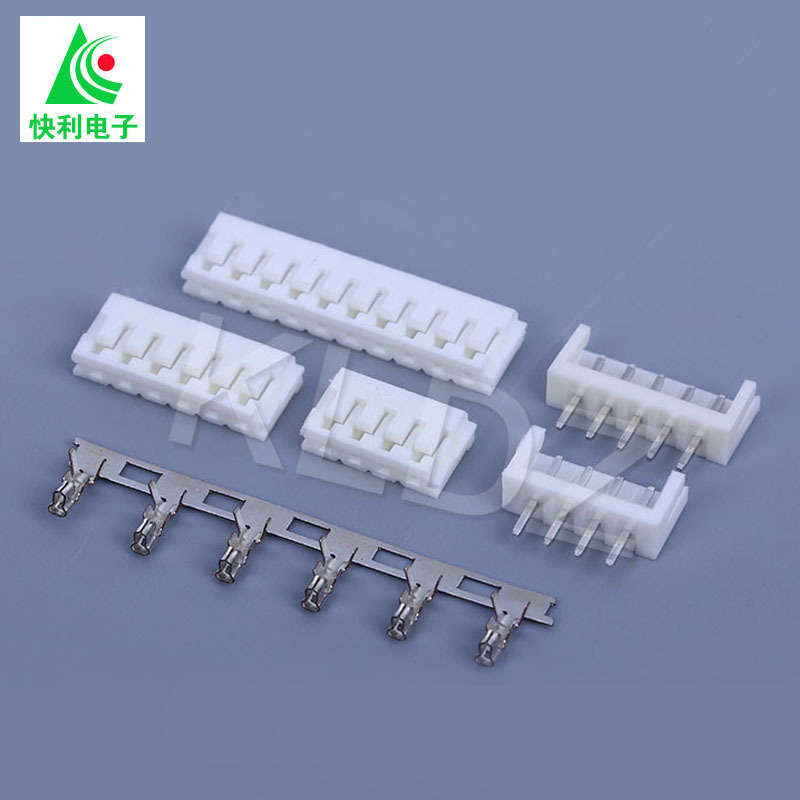
Conductive Metals: Copper and brass are commonly used for high-power terminals due to their good conductivity. Tin plating helps prevent corrosion and maintain reliable contact.
Insulation Materials: Thermoplastic or thermoset insulation must resist heat generated by high current and maintain flexibility. High-temperature resistant plastics ensure connectors do not deform under load.
Corrosion Resistance: High-current connectors are often exposed to harsh conditions. Using materials resistant to oxidation and corrosion improves lifespan.
Contact Area: Larger contact surfaces reduce electrical resistance and heat buildup. Multiple contact points or blade-type terminals can improve performance.
Insulated Housing: Proper insulation prevents accidental shorts, particularly in areas with tight wire bundles. Insulated electrical connectors reduce the risk of arcing and improve user safety.
Locking Mechanisms: High-current circuits are sensitive to vibrations. Connectors with secure latches or snap-fit designs prevent accidental disconnection.
Wire Gauge Compatibility: Always match the connector to the wire size. Using an undersized terminal can result in overheating, while oversized terminals may not provide proper mechanical contact.
Crimping or Soldering: For high-power circuits, crimping should be precise using calibrated tools. Soldering can provide additional stability but must be done carefully to avoid cold joints.
Routing and Strain Relief: Wires should be routed to minimize bends near connectors. Strain relief prevents wire fatigue and maintains consistent electrical contact.
Thermal Checks: Periodically monitor connectors for excessive heat under load. This can indicate loose contacts or undersized terminals.
Inspection for Wear: Check for discoloration, melting, or insulation cracks. Replace connectors showing signs of wear immediately.
Use of Protective Accessories: Dielectric grease and heat-shrink tubing can improve insulation, prevent moisture ingress, and enhance conductivity.
Battery to Fuse Block Connections: High-power circuits such as main battery feeds require connectors that handle tens of amperes safely. Insulated electrical connectors with large contact areas reduce voltage drops and heating.
Starter Motor Circuits: Improper terminals or undersized wires can result in starter failure. Using rated insulated terminals ensures consistent engine starting performance.
Aftermarket Electrical Add-ons: Adding amplifiers, high-current lighting, or auxiliary equipment requires connectors designed for higher currents to avoid overheating or system damage.
Zhejiang Kuaili Electronics Co., Ltd. offers a wide range of insulated electrical connectors specifically engineered to meet high-power automotive requirements.



 English
 Español
 Türk
 فارسی