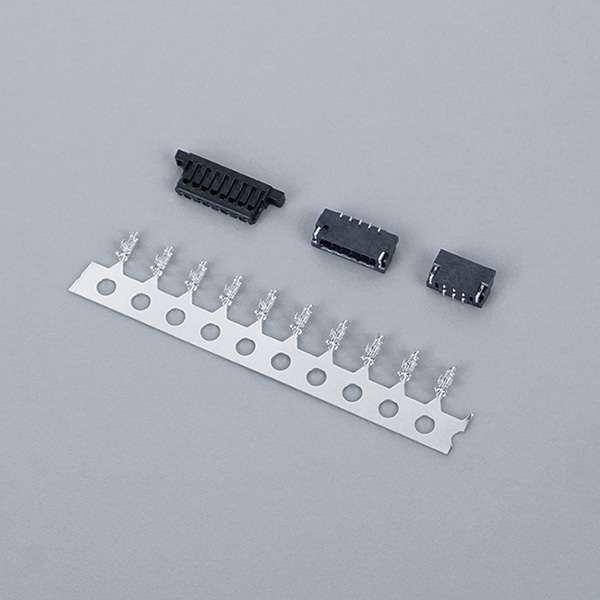
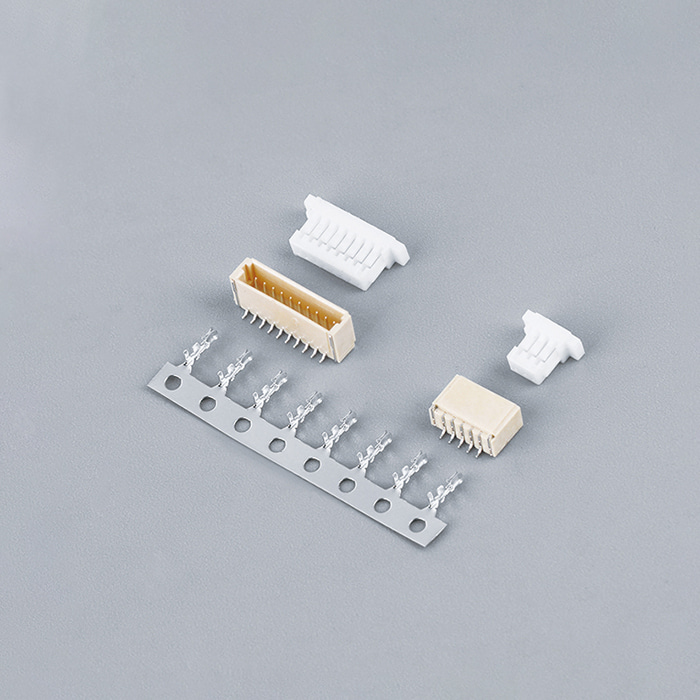
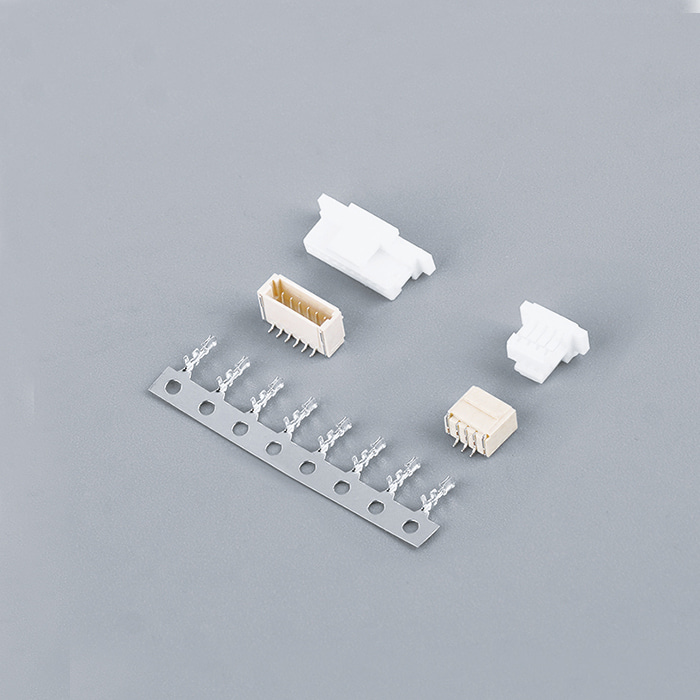
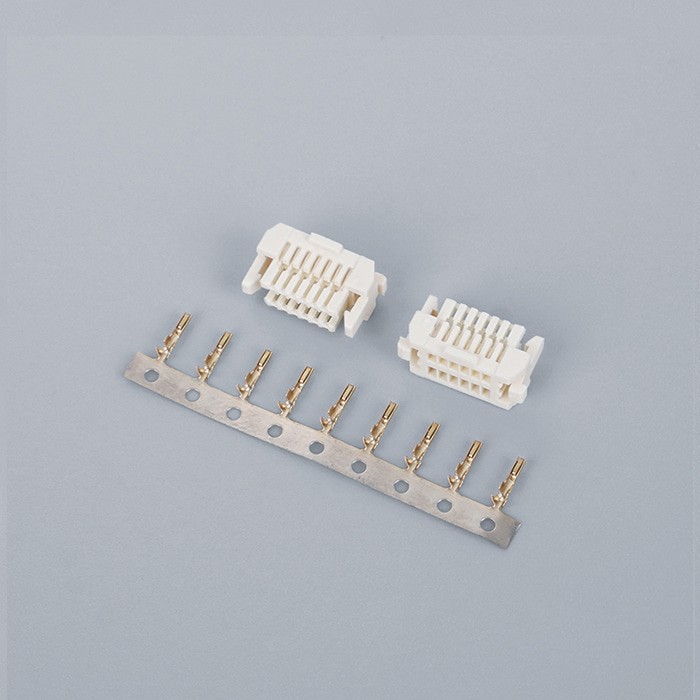
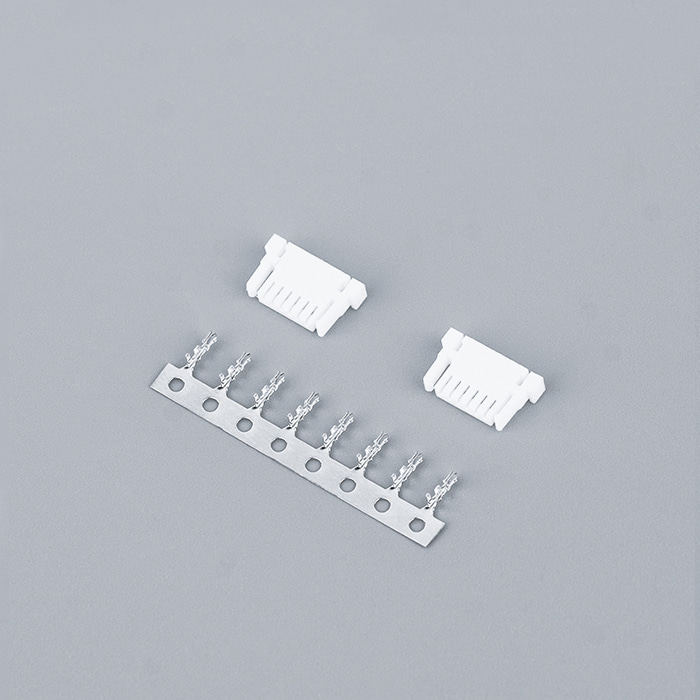
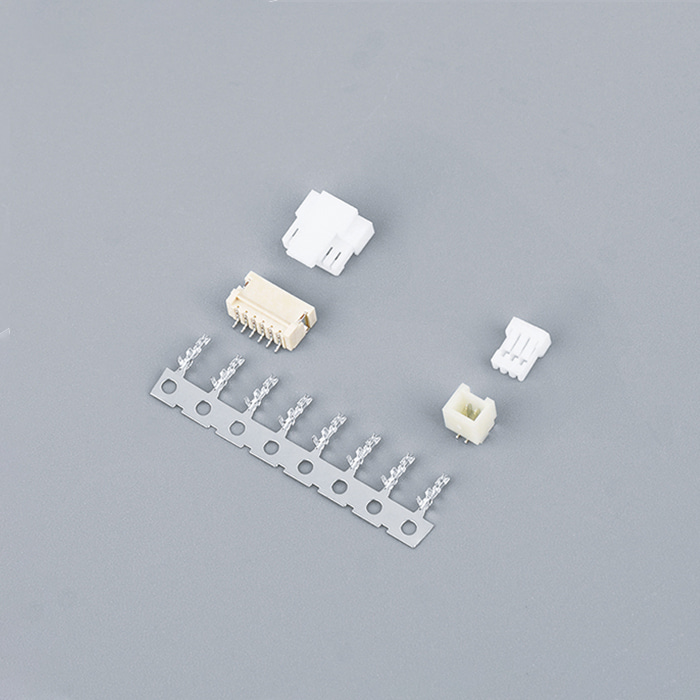
Automotive environments place extraordinary demands on electrical interfaces, especially for systems where Automotive FPC Connector and FFC and FPC Connectors are used to link displays, sensors, and control modules. Vehicle vibration isn’t just a minor annoyance; it’s a constant, multi-axis mechanical stress that can jeopardize signal continuity and component life if the connector design isn’t engineered for it. Engineers and hobbyists alike repeatedly discuss how micro-vibration can contribute to fretting, increased resistance, or intermittent disconnections in connectors if not addressed properly.
Understanding how FFC connectors behave under vibration is critical not only for component selection but for system reliability over the lifetime of a vehicle. Designers, including those at Zhejiang Kuaili Electronics Co., Ltd., focus on vibration resistance from early stages of product development because tiny mechanical motions at contact interfaces can cause significant electrical performance issues.
Cars are inherently dynamic systems. Even at rest, systems like HVAC blowers, fuel pumps, and infotainment units introduce micro-vibrations. On the road, suspension movement, engine oscillations, transmission harmonics, and uneven surfaces generate broad-spectrum vibration across all axes. That means components must endure stress on X, Y, and Z directions continuously throughout vehicle life.
The consequence of such vibration is fretting corrosion, a microscopic wear process. Tiny relative motions between connector contacts break through protective surface layers and let oxidation occur, which increases contact resistance over time. This change often translates into intermittent electrical faults or signal degradation — especially in sensitive automotive systems.
Engineers and users in technical forums have noted how vibration can generate noisy or “abnormal” sensor signals or connector issues over time. In one community discussion, a user observed drifting temperature readings traced to vibration-induced contact issues in connectors, consistent with fretting effects described by reliability experts.
Another longstanding electronics discussion highlights that while FFC/FFC connectors are widely used in consumer and some vehicle applications, concerns linger around their vibration reliability unless the connectors are specifically designed and qualified for automotive duty.
Here are key failure modes seen in automotive vibration scenarios:
Such failure modes are not unique to one connector type — they are inherent to any electrical interface subjected to constant mechanical motion without adequate engineering.
To combat these challenges, the automotive electronics industry has developed multiple design approaches:
Robust Locking Features.
Connectors with positive latches, secondary locks, or tactile flip locks hold the cable firmly, greatly reducing relative movement under vibration. These features can prevent even minor loosening that accumulates over time.
Multi-Point Contact.
Redundant contact points distribute current and signal paths so that if one contact degrades due to vibration, others maintain continuity. This reduces the impact of micro-motion and fretting on overall performance.
Strain Relief and Mounting.
Proper strain relief on the FPC cable and secure mounting of the connector body itself limit the mechanical transfer of vibration to the fragile contact interface.
Material and Plating Choices.
Connectors engineered for vibration use often employ high-fatigue materials, optimized plating thickness, and corrosion-resistant finishes to slow the wear process at contact surfaces.
These methods are not theoretical; they are reflected in automotive qualification standards and manufacturing ideal practices to simulate years of vibration exposure in a condensed testing timeframe.



 English
 Español
 Türk
 فارسی