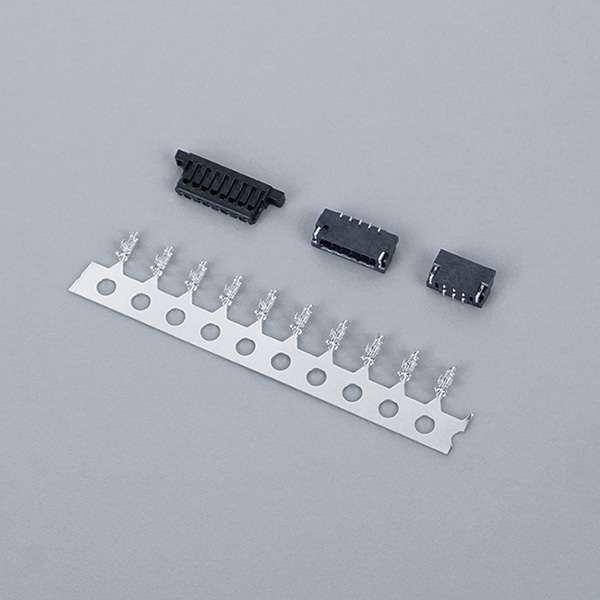
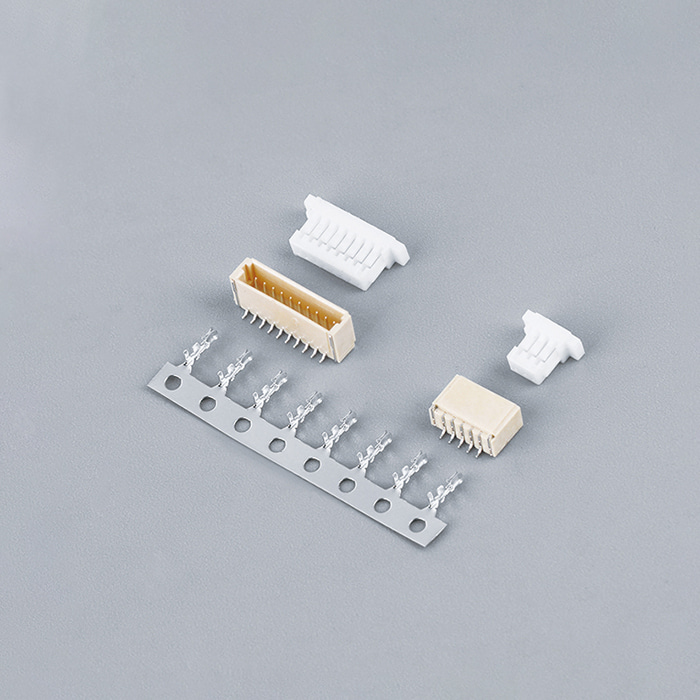
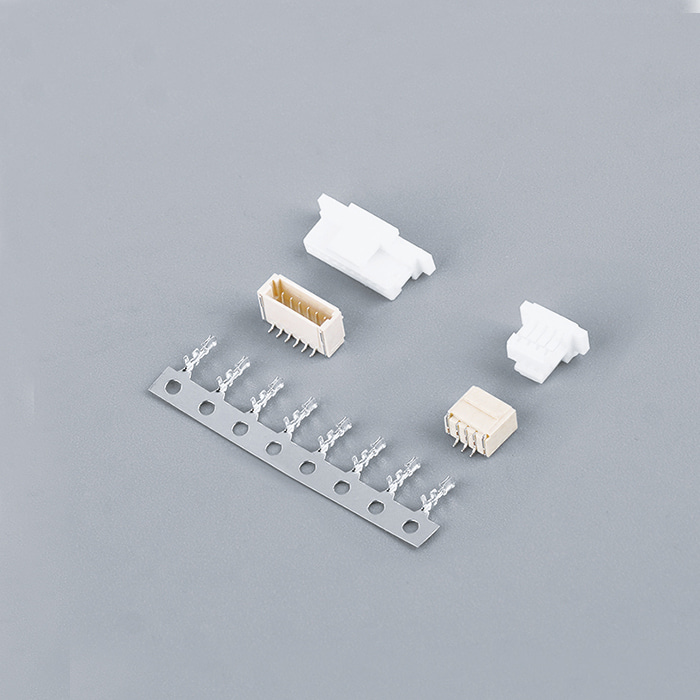
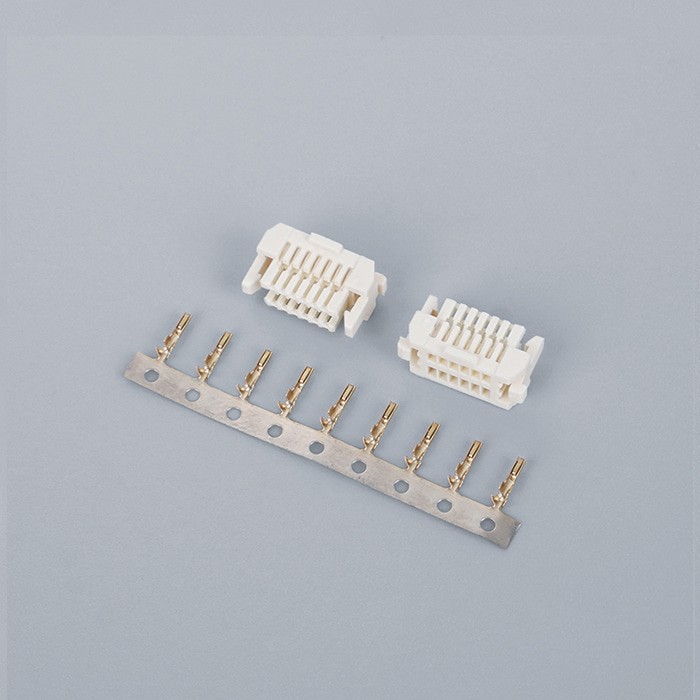
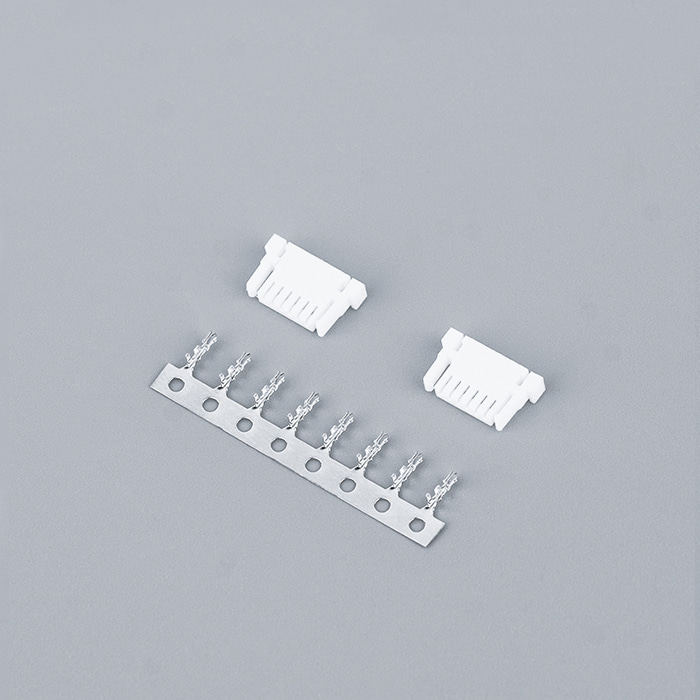
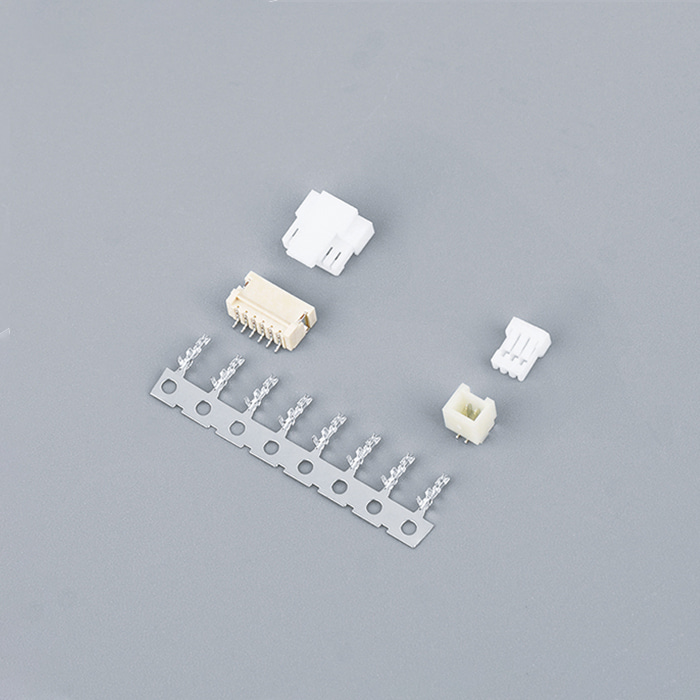
Every vehicle relies on a complex system of electrical connections to deliver power where it’s needed — from the battery to the starter and control modules. An Auto Electronic Connector plays a critical role in signal and power transmission across circuits, and the Vehicle Battery Connector provides a stable current path from the battery to the vehicle’s electrical system. When these connectors do not function as intended, drivers may experience unexplained power loss, electrical malfunctions, or difficulty starting the engine.
Many vehicle owners have raised questions about why their electrical systems seem to lose power without warning, even when the battery itself tests fine. Connector-related issues are often overlooked, but they can be a significant contributor to symptoms that mimic battery or alternator failure.
A common reason that an automotive connection can cause power loss is increased electrical resistance at the contact point. Moisture, corrosion, or partial contact between connector pins increases resistance in the electrical path. As the connector resistance rises, less current flows through the circuit, and voltage drops — which can cause dim lighting, intermittent electronics, or reduced engine cranking power.
Corrosion can form when moisture penetrates seals or when acidic deposits from the battery build up on the metal surfaces. This corrosion layer acts like an insulator, impeding electrical flow and effectively starving downstream components of power even if the battery is fully charged.
Loose or vibrating connectors can intermittently lose contact, causing fluctuations in power delivery. Vehicles are constantly subjected to vibration and shock, which can loosen terminal grips or cause micro-movements inside connectors. Over time this wear can cause an intermittent open circuit or partial loss of current flow.
When a loose connection occurs at a Vehicle Battery Connector, this can significantly reduce the battery’s ability to supply current to high-demand systems such as the starter motor. Users have reported vehicles that produce only a clicking noise when turning the key due to weak connections limiting current delivery to the starter solenoid.
Repeated temperature cycling and vibration cause tiny relative movements at the contact surfaces of connectors, a process called fretting corrosion. Over time, the metal plating wears through, exposing the base metal to oxidation. This increases resistance further and may eventually cause total signal or power loss.
Wear is especially common in frequently mated connectors or those exposed to fluctuating temperatures under the hood. Such degradation may not be obvious on casual inspection, but over months or years can substantially impact the performance of circuits connected via Auto Electronic Connectors.
Sometimes the root cause of power issues isn’t aging or corrosion, but the use of the wrong type of connector or improper installation. A connector that is not properly matched to the electrical load or environment can introduce high resistance, arcing, or poor contact surface area.
Proper crimping and pin seating are essential. A poorly seated pin inside its housing can make intermittent contact, resulting in fluctuating power delivery. Likewise, connectors not designed to withstand automotive vibration and thermal stress may fail prematurely, affecting the reliability of the entire electrical system.
Detecting power loss caused by connector problems requires attention to several telltale signs:
These symptoms may mimic other electrical problems, but careful inspection of connectors often reveals poor contact, corrosion, or physical damage.
To reduce the risk of power loss caused by connector issues:
Select connectors rated for automotive environments with sufficient current capacity and environmental sealing.
At Zhejiang Kuaili Electronics Co., Ltd., our products are engineered to address many of these concerns with durable designs, quality materials, and rigorous testing. Properly designed Auto Electronic Connector and Vehicle Battery Connector components help support reliable signal and power delivery in demanding conditions.
Electrical connector issues can indeed cause noticeable power loss that affects vehicle performance. By recognizing the common causes — including resistance increases, mechanical loosening, and wear — and by applying preventative measures, drivers and technicians can better maintain vehicle reliability and safety.



 English
 Español
 Türk
 فارسی